On this page
A sense of place
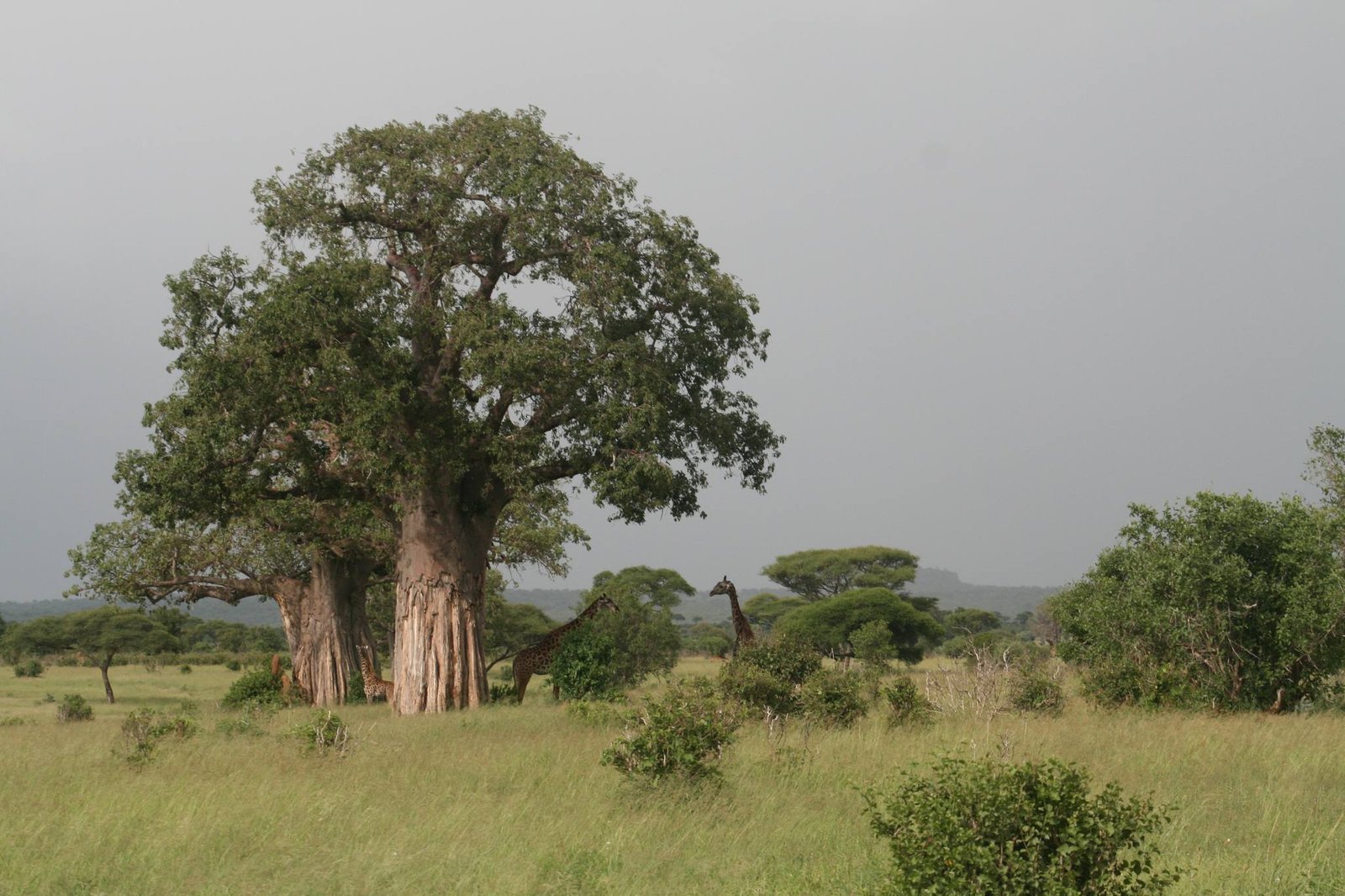
Kilimanjaro National Park safeguards the upper reaches of Africa's highest mountain, from the forested lower slopes at roughly 1,830 metres to the summit zone above 5,000 metres. Within a short walk the scenery shifts from tangled montane forest through heath and giant moorland plants to bare alpine desert, a sequence of habitats rarely seen so compactly.
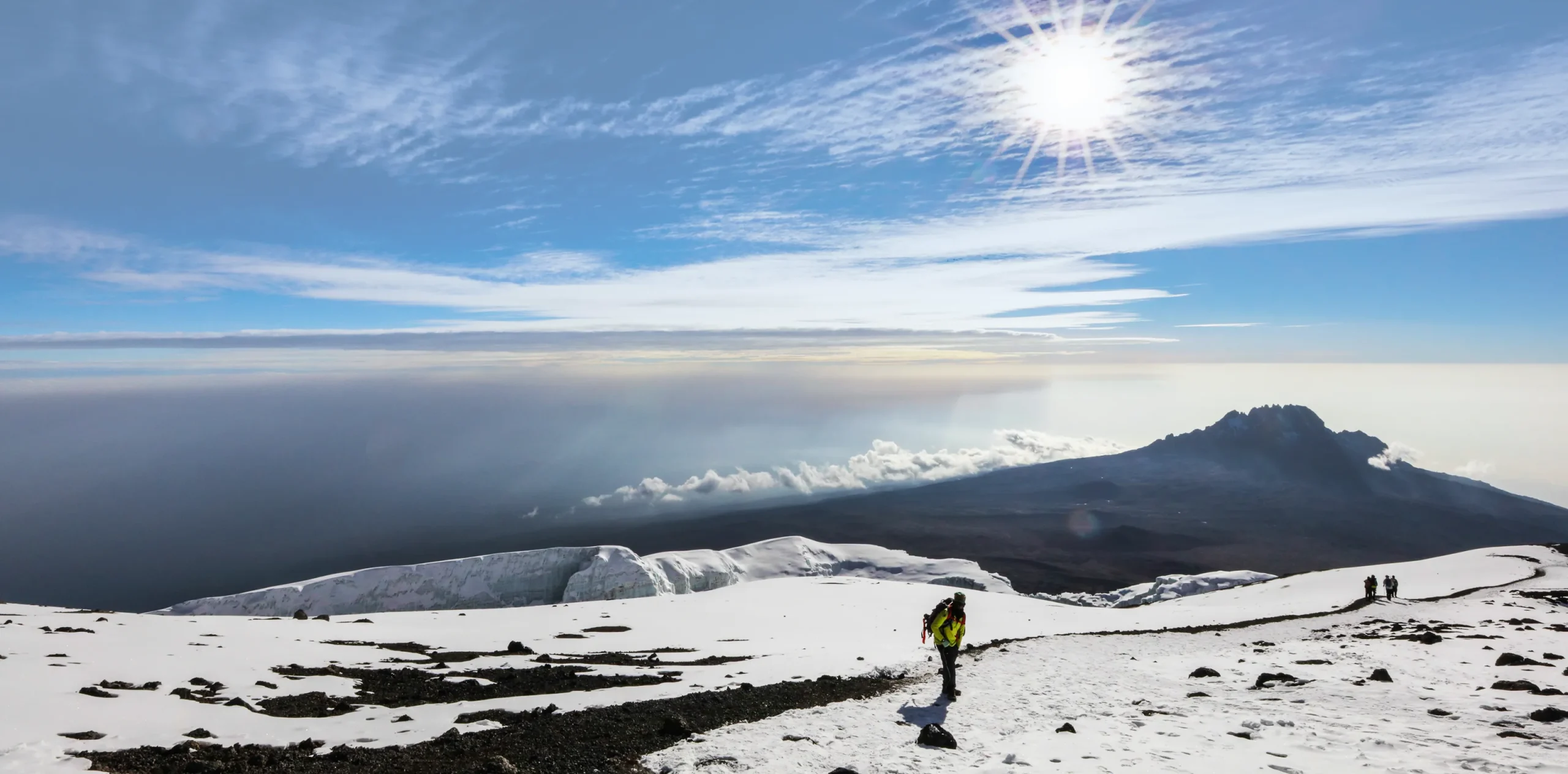
Kibo, the central peak, still holds a glacier and a broad caldera, while the lower summit of Mawenzi gives the skyline its jagged edge. The mountain also gathers moisture: its forests feed streams that water farms and towns far below, which is one reason the park matters beyond climbing.
Weather changes quickly with altitude and season. Clear mornings can give way to afternoon cloud, and the upper slopes are cold at any time of year. Walking slowly, allowing time to adjust, is part of how the mountain is enjoyed.
What makes it special
A mountain of many zones
Because the park climbs through distinct bands of forest, heath, moorland and alpine desert, a trek feels like crossing several landscapes in one journey. Each zone brings its own plants, birds and atmosphere, so the days on the lower slopes are rewarding in themselves rather than simply a means of reaching the top.
Kibo, Mawenzi and the glaciers
The summit area is a world of rock, scree and, increasingly, thinning ice. The glaciers and the great southern ice fields have shrunk markedly over recent decades; seeing them is a reminder of how sensitive high mountain environments are. The caldera rim and the views across to Mawenzi give the final ascent its memorable scale.
Forests that water the lowlands
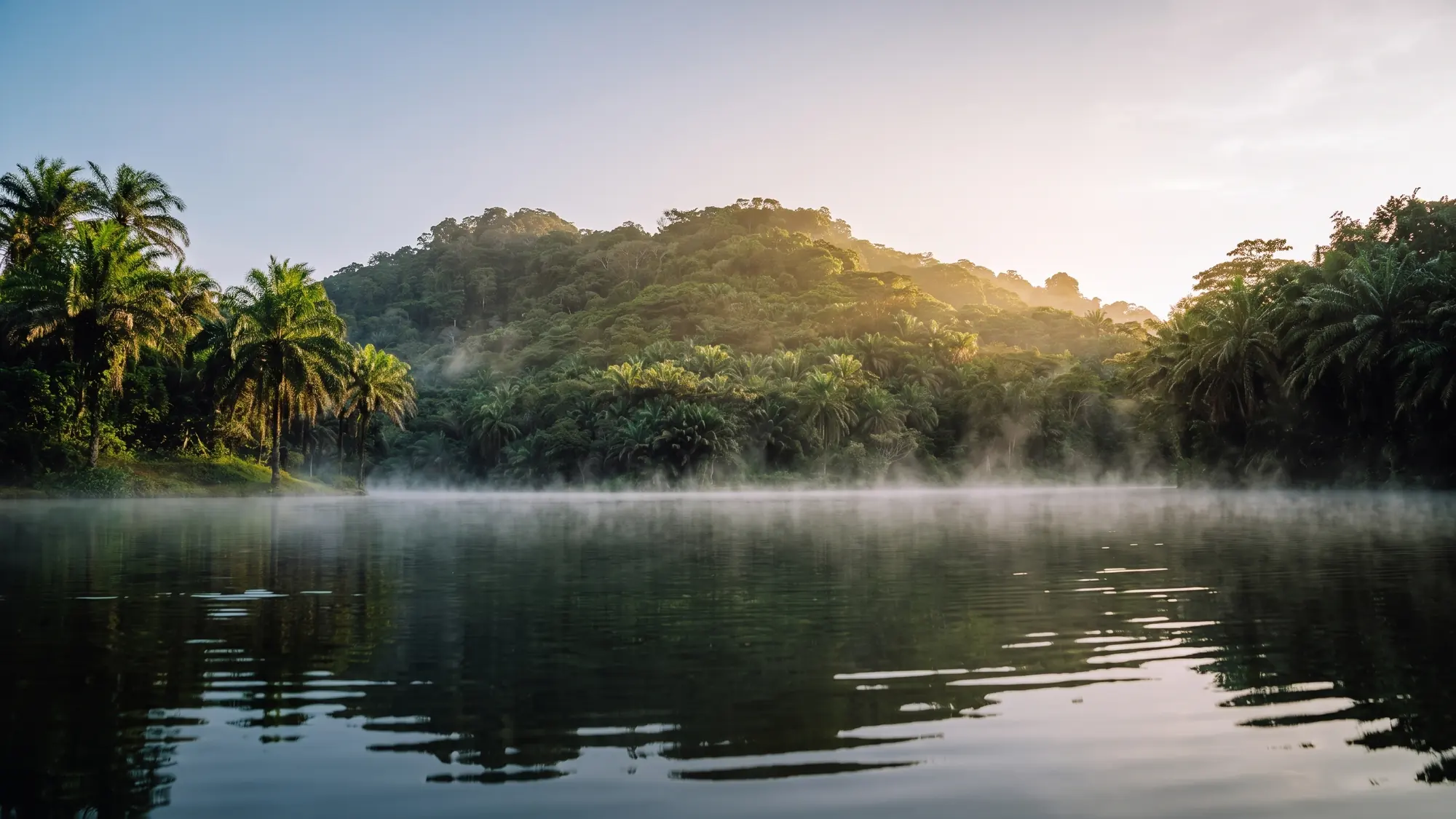
The park's cloud forest is more than scenery. It intercepts moisture from the passing clouds and releases it steadily downhill, sustaining streams that people and farms rely on across the region. Walking through the mossy, mist-wrapped trees early in a trek is one of the quiet pleasures of the mountain.
Plan your visit
Choose your season thoughtfully
Conditions vary through the year, with generally drier windows and wetter periods, and temperatures fall as you gain altitude. Cloud and rain can arrive without much warning, so build some flexibility into your plans. The mountain can be visited at many times of year, but the experience of weather, track conditions and crowding changes with the season.
Allow time to acclimatise
The summit is very high and the effects of altitude are real. Longer routes that climb gradually are generally kinder than short, fast ones, and rest days help. Discuss health preparations with a qualified medical professional before travelling, and follow the judgement of your guides if they advise turning back or resting.
Pack for cold, wet and sun
Expect layers: warm insulation for the upper mountain, a reliable waterproof shell, sun protection and sturdy footwear. Nights can be well below freezing near the summit while the forest is mild and humid. Carry enough water and take guidance on purification from your operator.
Travel with recognised guides and permits
Climbing is organised through licensed operators and the park's own permit system; checks apply. Confirm current arrangements with the park authority or a reputable operator rather than relying on older information, and allow buffer days for the journey and for weather.
Before you go
Do I need to be an experienced mountaineer?
No technical climbing is normally required on the popular routes, but the summit day is long, steep in places and very high. Reasonable fitness and a willingness to walk slowly are more useful than technical skill. Altitude affects people differently, so guides assess each walker and may ask someone to descend.
Will I definitely reach the summit?
No. Weather, altitude and individual health all play their part, and responsible guides put safety first. Many visitors find the lower zones and the experience of the mountain satisfying even if the top is not reached. Treat the summit as a possibility rather than a promise.
When is the mountain most comfortable to walk?
There are generally drier and wetter spells, but conditions vary from year to year. Many people prefer the drier windows for clearer views and firmer tracks, while wetter months bring lush forest and fewer walkers. Cold and cloud on the upper mountain can occur in any month.
What should I check before booking?
Ask about guide qualifications, group sizes, altitude-acclimatisation practice, medical support and emergency procedures. Confirm current park fees, permits and any park rules directly with the park authority or your operator, as these change and this page does not list them.