On this page
A sense of place
Manyara sits at the foot of the Rift Valley escarpment, where streams seeping from the highlands feed a shallow, alkaline lake. Between the cliff and the water lies a compressed sequence of habitats: dense groundwater forest of fig and mahogany, then thorny acacia woodland, then open shoreline where the lake rises and falls with the seasons. In a short drive the scenery shifts completely.
The park is small by Tanzanian standards, which makes it easy to explore unhurried and rewarding for travellers who prefer variety over sheer scale. Birdlife is a particular strength, with waterbirds and forest species close together. Larger mammals move with water and cover, so what you see depends heavily on the season, the time of day and simple luck.
What makes it special
Groundwater forest
Cool, shaded tracks wind through tall figs and mahogany fed by springs from the escarpment. It is a good place to look for forest birds, monkeys and the quiet detail that open savannah tends to hide.
The lake and its birdlife
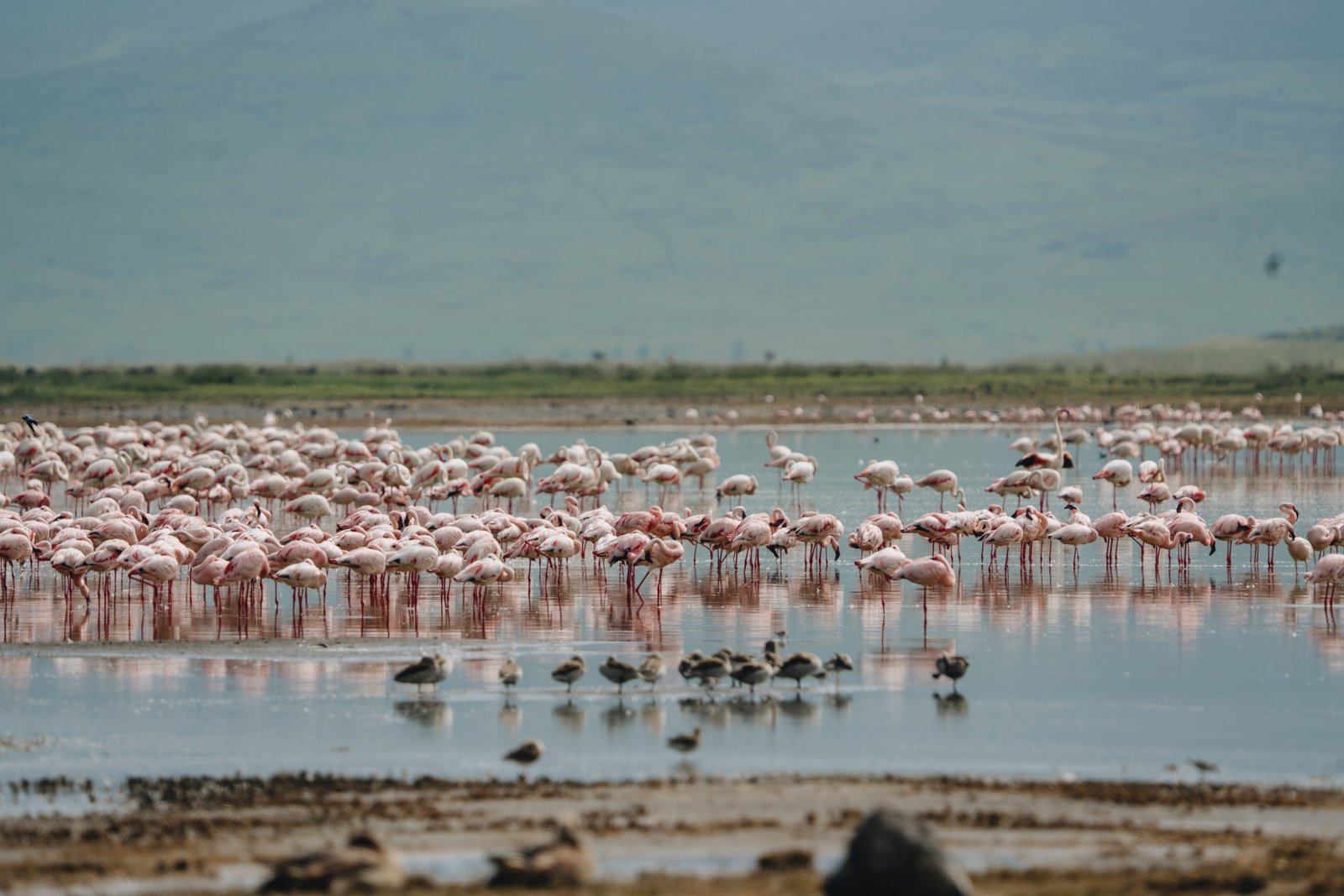
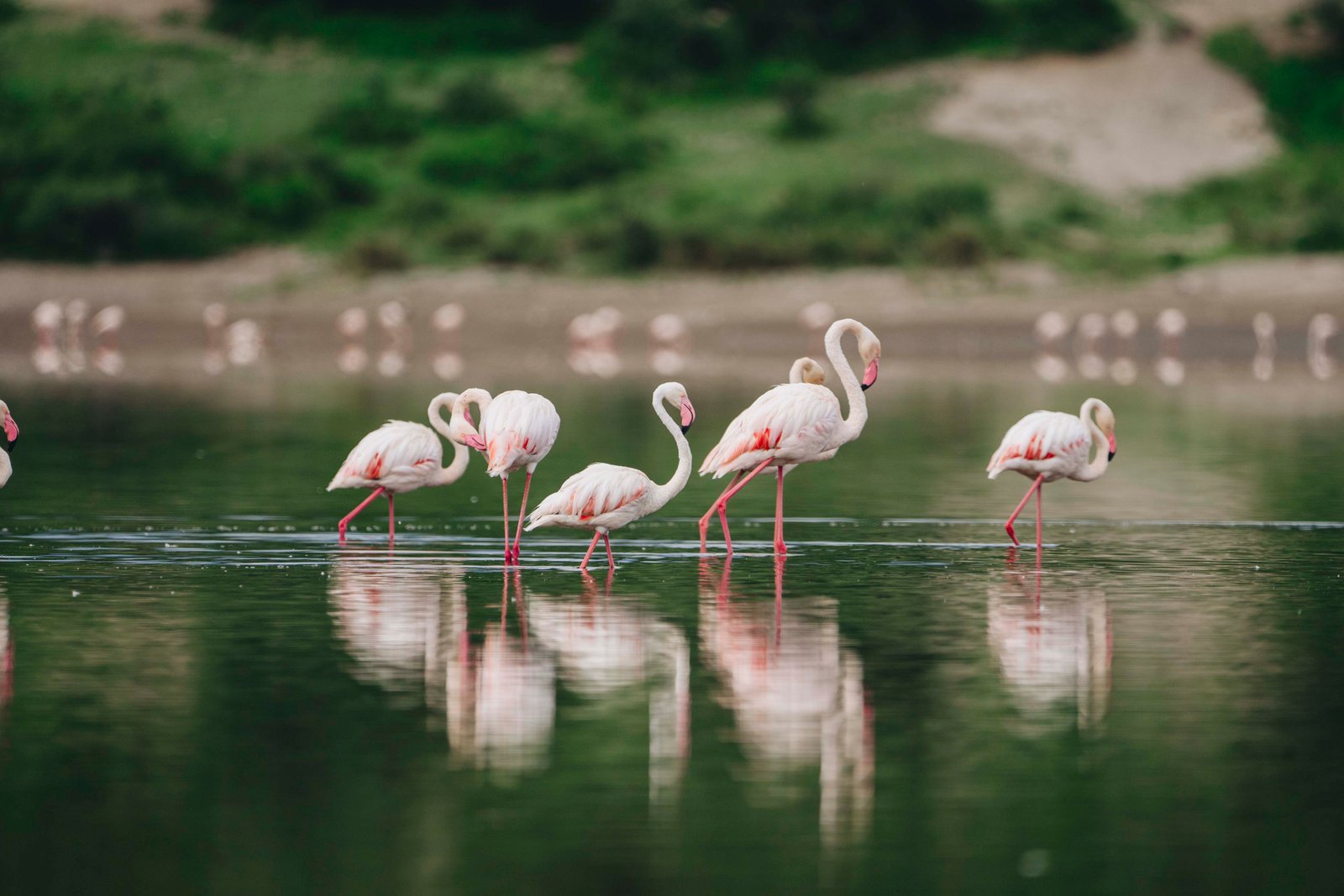
The shallow lake and its margins attract a changing cast of waterbirds, from pelicans and storks to waders and flamingos when conditions suit. Numbers and species vary through the year with water levels, so treat any checklist as a possibility rather than a promise.
Escarpment backdrop
The Rift Valley wall rises sharply behind the park, giving wide views from the higher ground and a dramatic setting for game drives. Early morning often brings soft light and clearer air, though mist and haze can alter the view from day to day.
Plan your visit
When to go
The dry months are generally easier for wildlife viewing because animals gather near remaining water, while the wetter season brings greener scenery and strong birding. The lake's extent and the condition of tracks both change with rainfall, so plan with seasonal flexibility.
How to spend a day
The park suits a full day or a long half-day rather than a rushed stop. Combine forest, woodland and lakeshore drives, and factor in time simply to watch and listen. Dawn and late afternoon are usually the most productive hours for wildlife.
What to bring
Bring binoculars, sun protection, drinking water and layers for cool early mornings. Dust and insects are part of the experience, so light long sleeves and repellent are sensible. Tracks can be rough after rain.
Access and practicalities
The park lies close to the town of Mto wa Mbu and is often visited en route between Arusha and the Ngorongoro highlands. Entrance arrangements and guiding should be confirmed with your operator or the park authorities before travelling.
Before you go
Will I see tree-climbing lions?
Manyara is associated with lions that sometimes rest in trees, but this is a habit, not a guarantee. Sightings depend on the individual animals, the season and chance. Visit with curiosity rather than a fixed expectation and let the wider landscape be the reward.
Is one day enough?
For many visitors, yes. The park is compact enough to sample its main habitats in a day. Birders and photographers often prefer more time, especially in the forest and along the lake shore, where patience pays.
How does the lake affect what I see?
Water levels drive much of the park's character. Higher water can push some routes and wildlife further from the shore, while lower levels expose mudflats favoured by wading birds. Ask locally about current conditions rather than assuming a fixed pattern.
Can I combine it with nearby areas?
Manyara fits naturally into a northern Tanzania itinerary alongside other Rift Valley and highland destinations. Distances and timings vary with road and weather conditions, so discuss routing with your operator rather than relying on a fixed schedule.