On this page
A sense of place
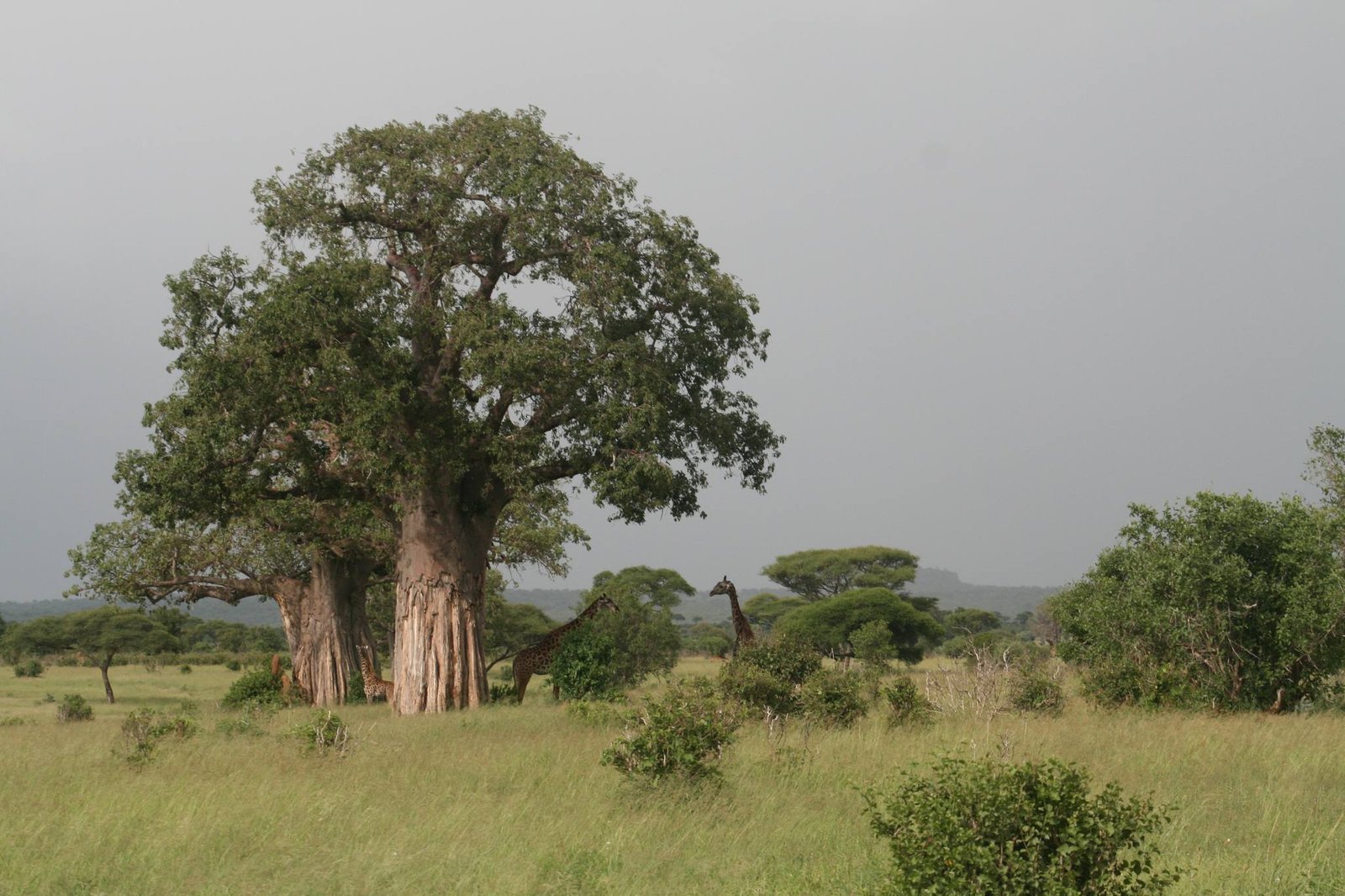
The Ngorongoro Conservation Area sits in the highlands of northern Tanzania, where the rift escarpment rises above a rolling plateau of grassland, acacia and scattered forest. Its centrepiece is the Ngorongoro Crater, a vast caldera whose floor forms a sheltered amphitheatre of open plains, soda lake and marsh. Cooler and often misty at the rim, warmer below, the area feels distinctly different from the surrounding savannah.
The landscape does not stop at the crater rim. Beyond it lie highland ridges, volcanic peaks, old lava flows and wide grazing country. This is also a lived-in landscape, home to Maasai communities who herd livestock across these pastures. Wildlife and people share the broader conservation area, and a thoughtful visit allows time to appreciate both the natural spectacle and the culture of the highlands.
What makes it special
A crater floor like no other
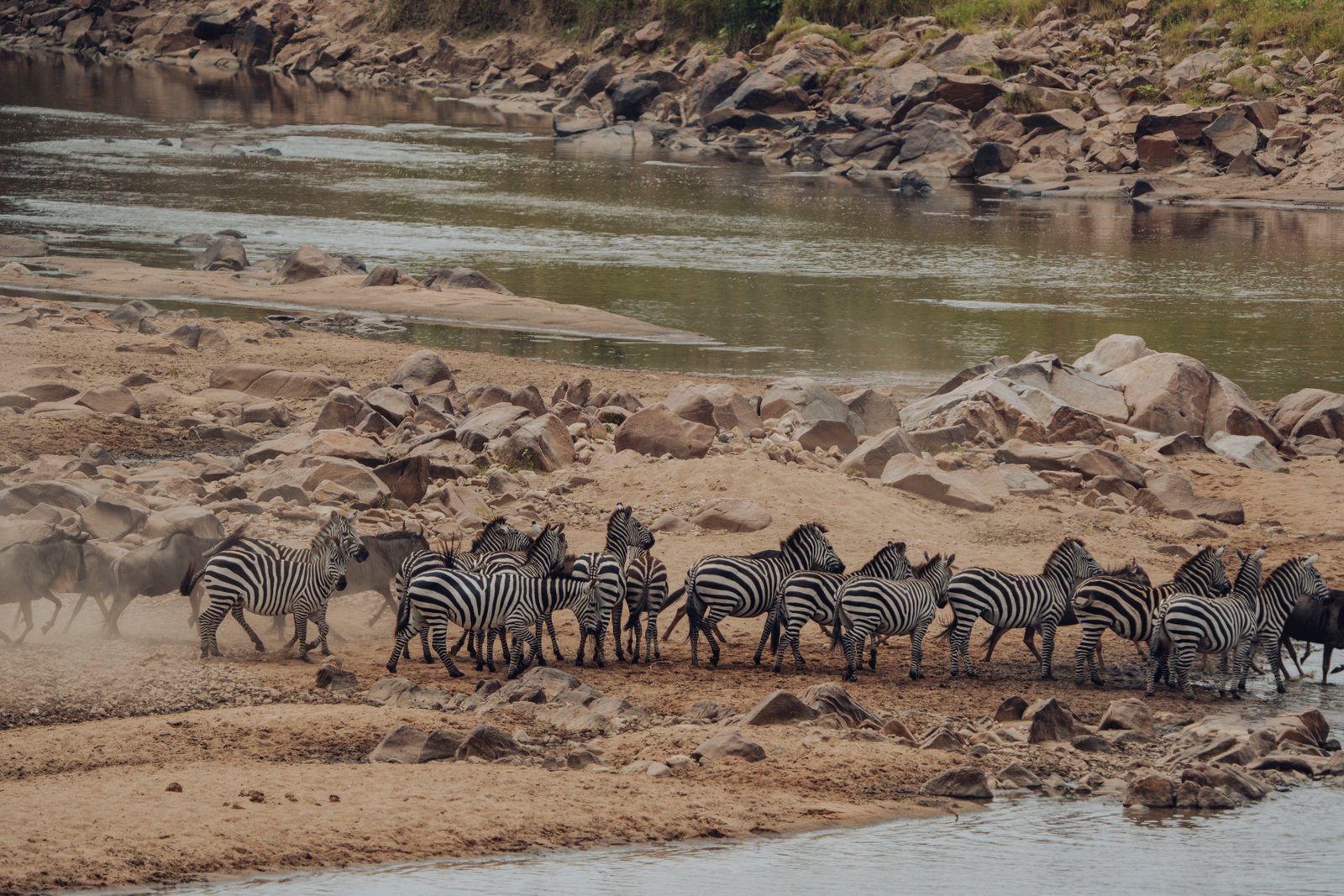
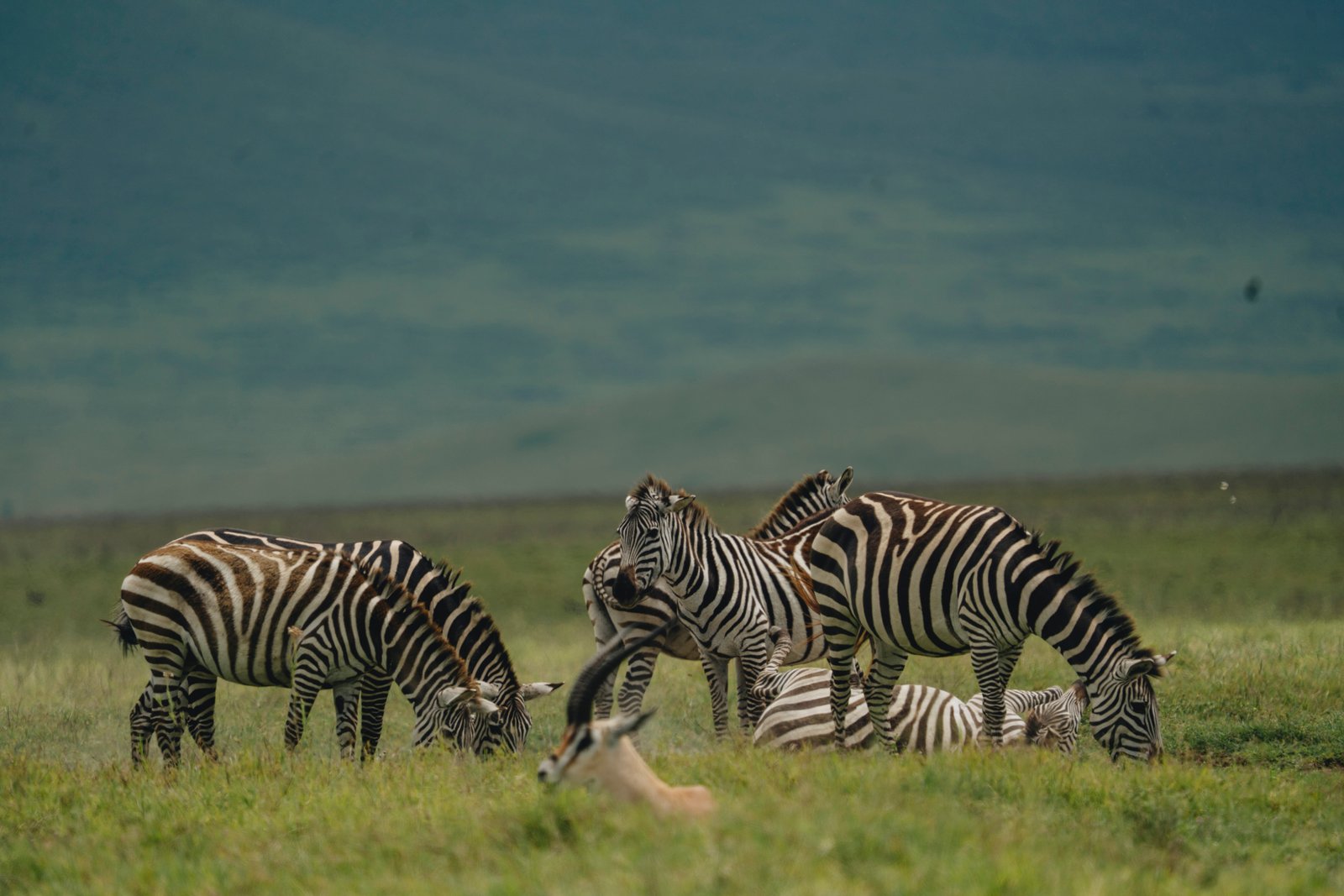
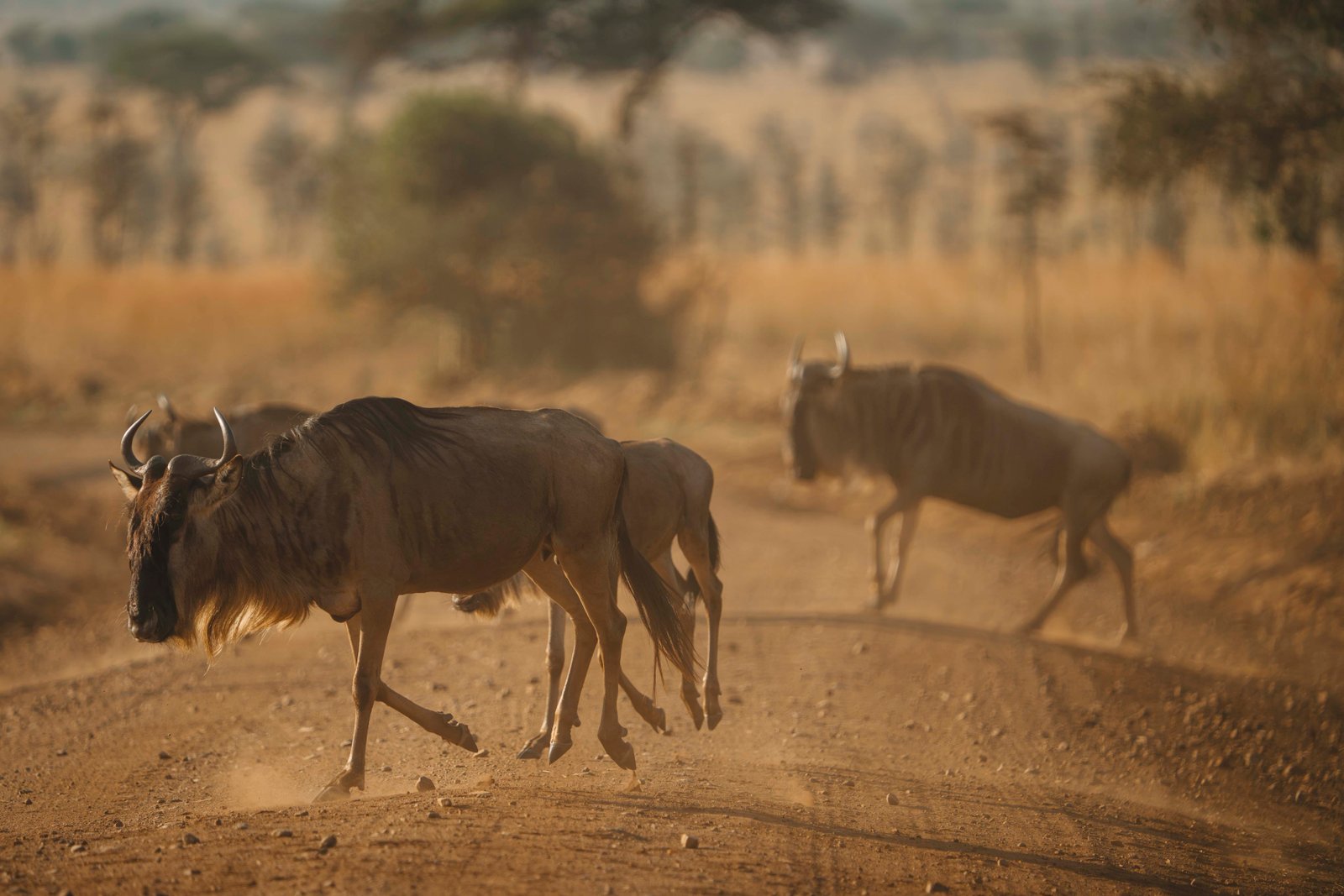
Descending through forest onto the crater floor brings you among open grassland, reed-fringed marsh and a shallow soda lake. Large grazers such as wildebeest and zebra are often conspicuous, alongside gazelle, buffalo and elephant. Predators are present but never guaranteed; success comes from reading tracks, listening to alarm calls and following the guidance of experienced guides.
Highland scenery and volcanic history
The wider conservation area preserves dramatic evidence of ancient volcanism, from the caldera walls to surrounding peaks and lava country. Views back across the crater and over the highland ridges change constantly with light, cloud and season, making the journey between viewpoints part of the experience rather than simply a transfer between wildlife stops.
Maasai culture in a working landscape
The highlands are not a closed wilderness. Maasai families live and graze animals here, and cultural interaction is an important part of the area. Approach it with respect and rely on locally arranged, consent-based visits rather than assuming access; etiquette, photography and appropriate payment should be discussed thoughtfully in advance.
Plan your visit
Seasons and climate
Highland altitude brings cool mornings and evenings, especially on the rim, so pack layers. Rainfall shapes the crater floor: wetter periods tend to bring greener grass, mud, mist and fuller marshes, while dry spells often concentrate animals near water. Exact conditions vary year to year, so plan for changeable weather rather than a fixed expectation.
Timing your days
Early starts matter here. Descending into the crater when gates allow gives calmer light and often better wildlife watching, while the middle of the day can be busy. Visit headquarters or interpretation points to understand the area's geology, ecology and cultural context before heading to the viewpoint and the crater road.
Guides and respectful conduct
Travel with an experienced local guide who can read the landscape and explain the conservation area. Keep voices low around wildlife and keep to agreed tracks and stopping points. For cultural encounters, ask before photographing people, dress and behave considerately, and use locally agreed arrangements rather than improvised visits.
Practical awareness
The conservation area has rules designed to protect wildlife, livestock and visitors, so follow your guide and official signage. Dust, altitude and uneven ground are part of the highland experience; bring water, sun protection and sturdy footwear for viewpoints. Confirm current access arrangements, fees and vehicle rules with your operator before travelling.
Before you go
Will I definitely see the Big Five?
No. Wildlife watching is never guaranteed, even in a celebrated conservation area. Some species are more commonly encountered than others, and sightings shift with season, weather, time of day and where guides are permitted to drive. Treat every sighting as a privilege rather than a promise.
When is the best time to visit?
There is no single best time for everyone. Dry periods can offer easier travelling and good visibility, while wetter months often bring dramatic skies, green highlands and different bird activity. Conditions vary considerably from year to year, so discuss the trade-offs with your operator and be prepared for cool, wet or dusty days.
Can I visit Maasai communities?
Cultural visits should be arranged respectfully through locally agreed channels. Ask about consent, photography, dress and payment in advance, and accept that families may not wish to host visitors on a given day. The aim is a genuine exchange rather than an assumed entitlement to access.
How should I prepare for the altitude?
The crater rim is high and can be cold, damp and misty, while the floor is warmer. Pack layers, rain protection and sun protection, and allow time to acclimatise gently. If you have health concerns, seek your own medical advice before travel; discuss any specific requirements with your operator.