On this page
A sense of place
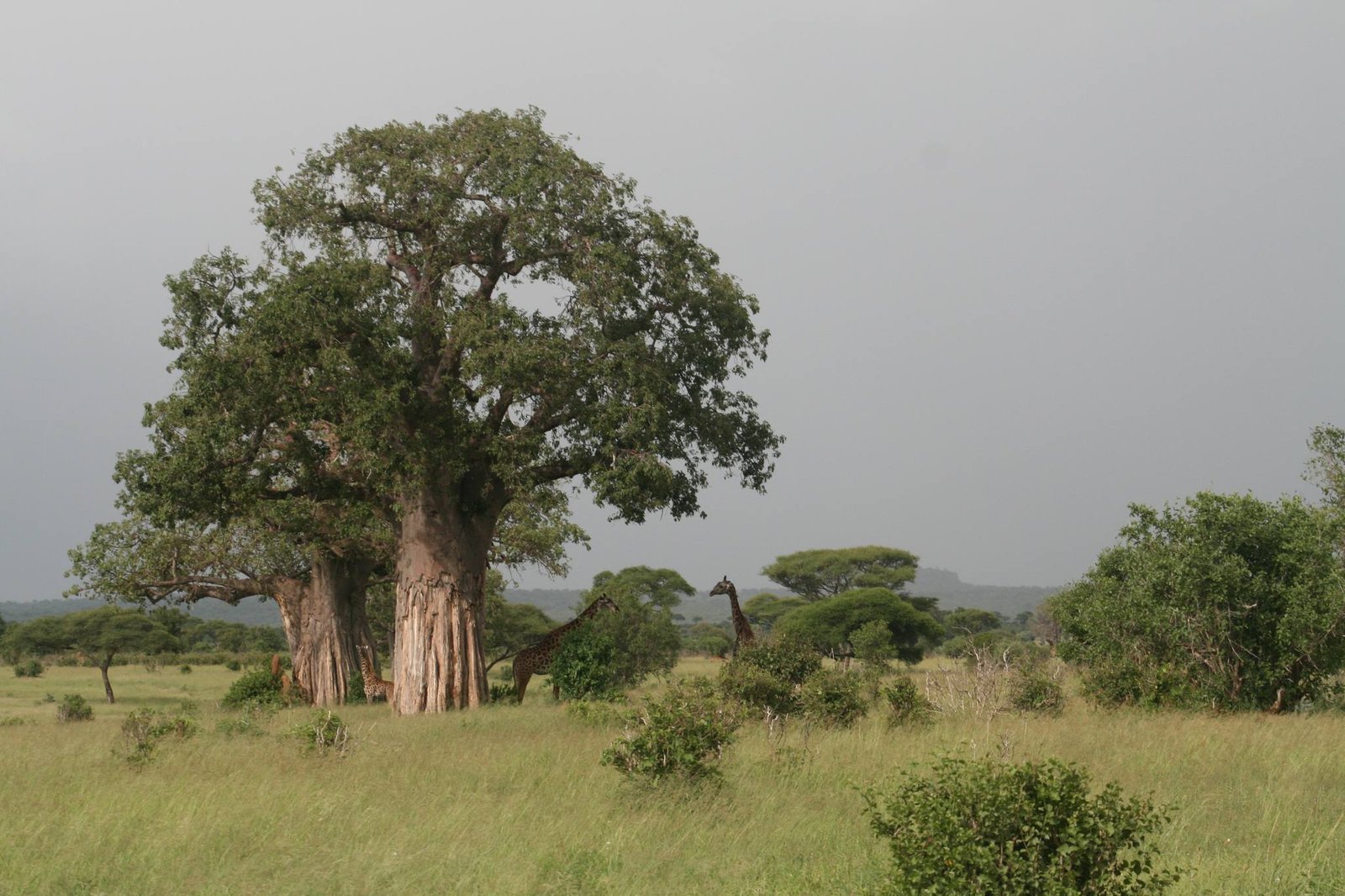
Tarangire sits south of the Great Rift Valley's eastern arm, a landscape of low rolling ridges, pale volcanic soils and granite kopjes softened by open woodland. Its signature trees are the baobabs, their swollen trunks rising between stands of acacia and bushwillow. This is the south of Maasai Steppe country, and the park's name comes from the Tarangire River, which threads through it and gives the area its rhythm.
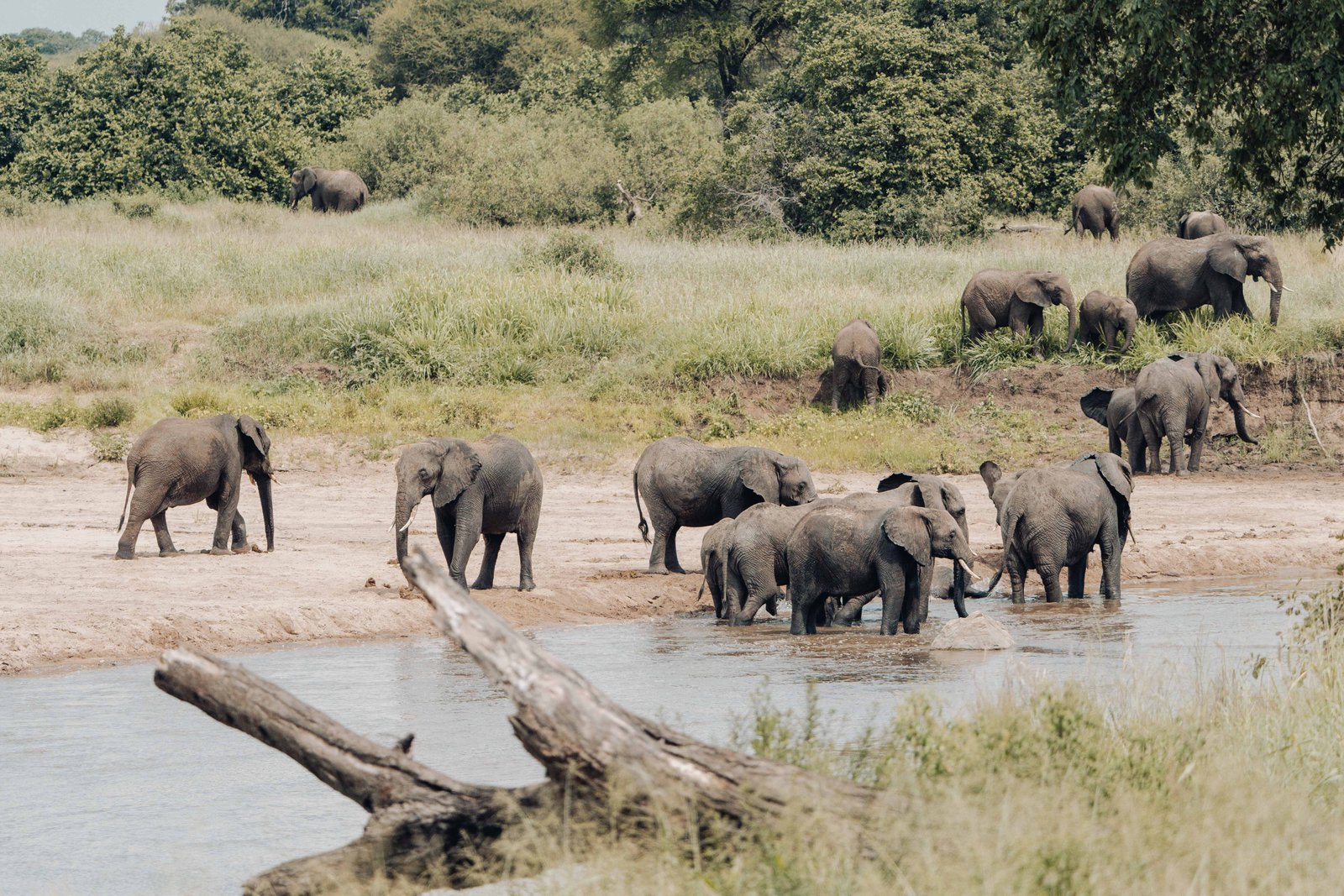
The river is the park's lifeline. In the dry season, when water elsewhere on the steppe thins out, animals gather along its course. Tarangire is best known for elephants, and herds are a familiar sight at that time of year, though no sighting can be guaranteed. The wider plains open out to the south and west, and the contrast between dense woodland, riverine bush and wide grasslands gives the park an unusual variety for its relatively modest size.
What makes it special
Baobabs and bushwillow woodland
Tarangire's landscape is defined by its baobabs, often seen standing alone among open woodland and seasonal grassland. Their shape and scale give the park a distinctive silhouette that many visitors find more memorable than the wildlife alone, and they are best appreciated on a slow drive rather than through a checklist of sightings.
Dry-season elephant herds
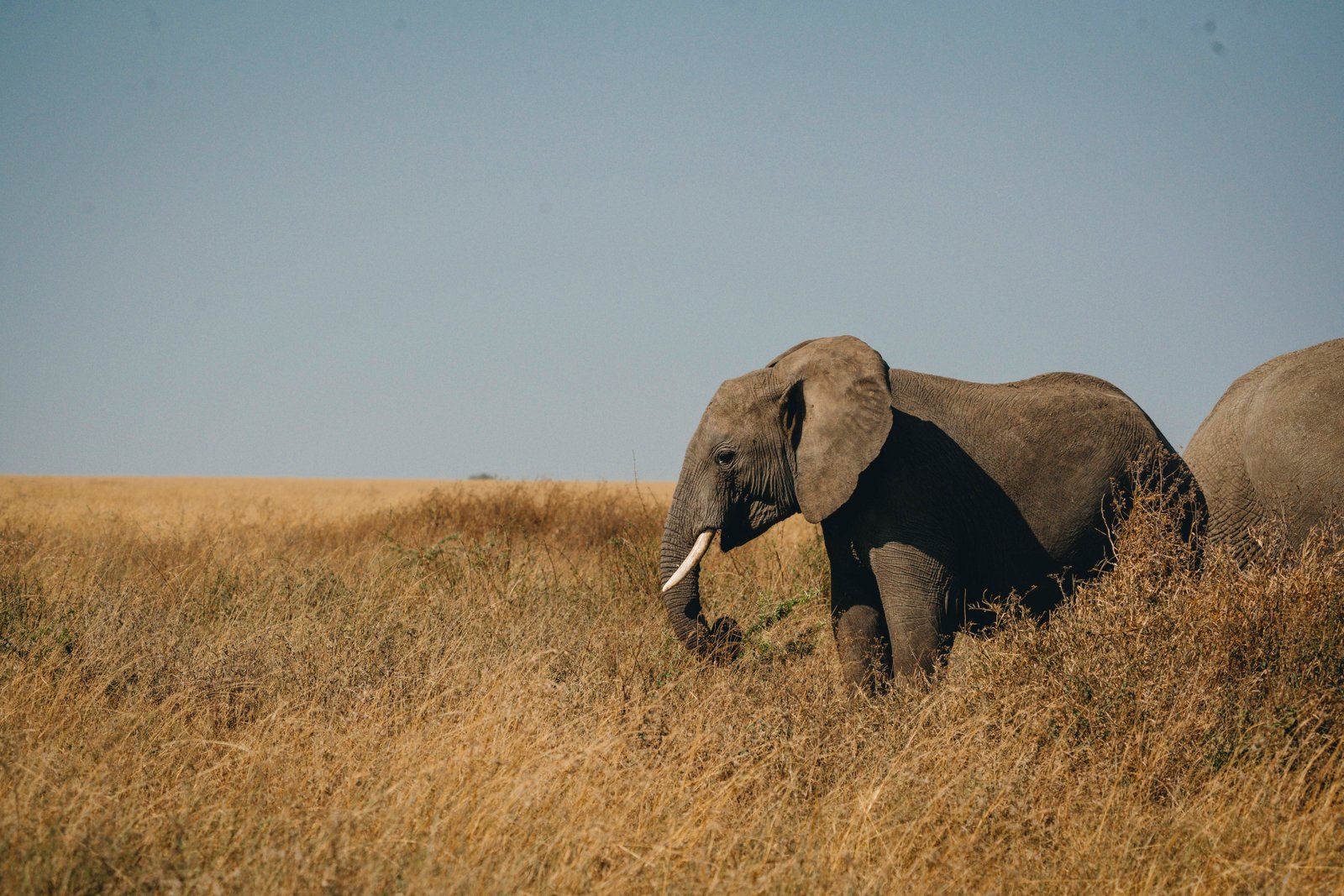
Elephants are Tarangire's most celebrated residents, and during the drier months they concentrate around the Tarangire River and its scattered waterholes. Herd sizes vary through the year, and sightings depend on rainfall and movement patterns, so travellers should approach this as a seasonal highlight rather than a certainty.
Birdlife across river and woodland
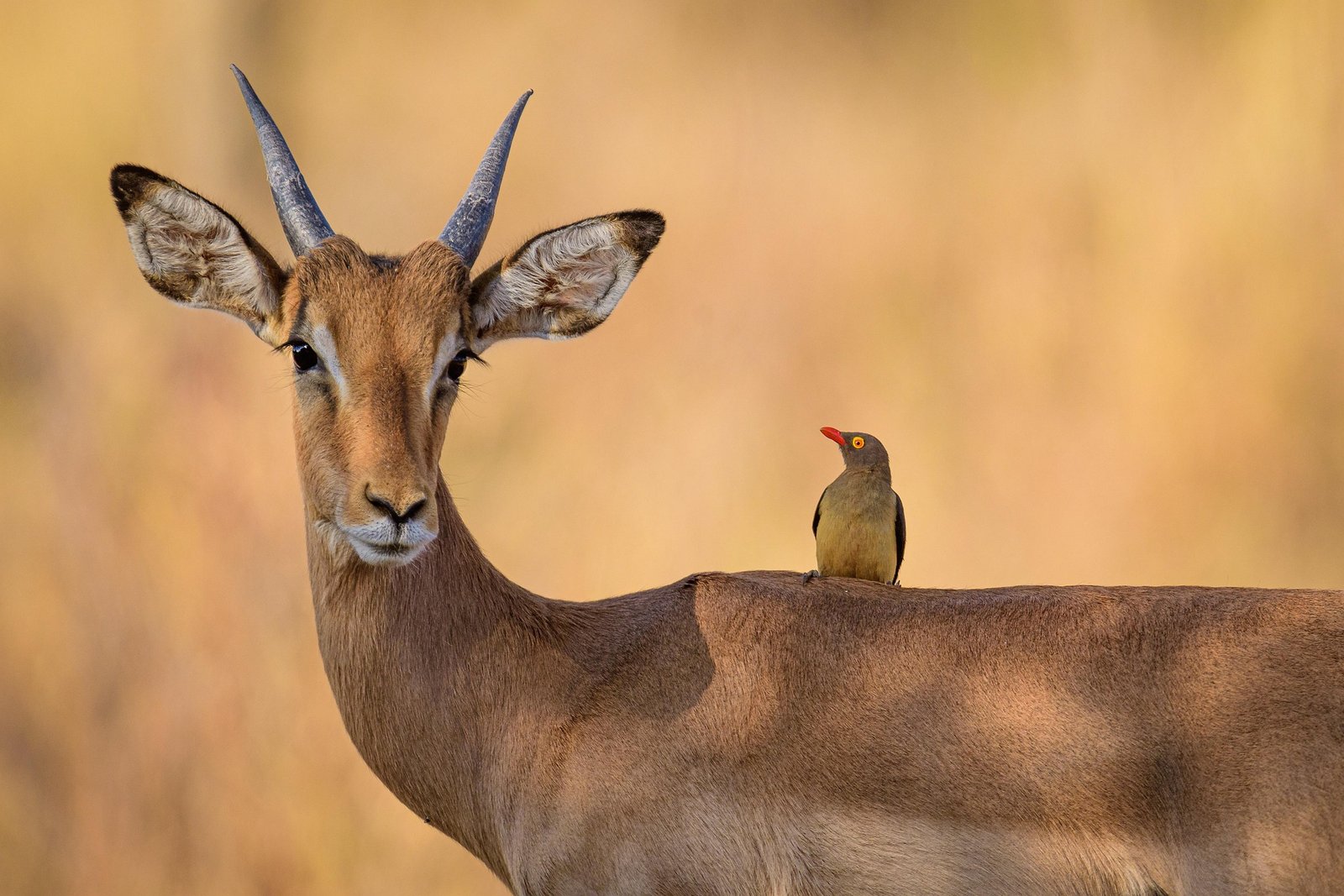
The mix of riverine bush, grassland and woodland supports a broad range of birds, including hornbills, kingfishers, wood-hoopoes and a good variety of raptors. Birding tends to be at its best through the wetter months, when the bush is green and many species are more active and vocal.
Plan your visit
Seasonal patterns
The dry months usually bring more concentrated wildlife around water, while the wetter season transforms the bush into green grazing country and produces strong birding. Timing should be guided by what you most want to see and how much comfort you need, as distances and road conditions change with the rains.
Getting there and around
Tarangire lies on Tanzania's northern safari circuit and is commonly visited by road from the towns around the Ngorongoro and Serengeti route, or as part of a wider circuit. Conditions on the park's unpaved roads vary with rainfall, and journey times should be confirmed with a local operator.
Wildlife space and etiquette
Keep a respectful distance from animals, stay inside your vehicle where required and follow your guide's judgement on when and where to stop. The park's vegetation and moving herds reward patience, and quiet observation usually produces better experiences than rushing between sightings.
Camera and weather
Dust, heat and strong light are common, especially in the dry season, while the wet season brings rain, greener scenery and more challenging roads. Dust protection, sun protection and a spare camera battery are sensible, and you should check current conditions before travelling.
Before you go
When is the best time to visit Tarangire?
Tarangire is rewarding outside the peak migration months, when it is often quieter and the landscape is green. Dry-season periods tend to concentrate animals near water, while wetter months favour birding and lush scenery. The choice depends on your priorities, and neither season guarantees particular sightings.
Will we definitely see elephants?
No. Tarangire is well known for elephants, and dry-season herds can be impressive, but wildlife moves with water and rainfall. Treat sightings as a possibility rather than a promise, and allow enough time in the park to give yourself the best chance of good viewing.
How does Tarangire compare with other northern parks?
It is smaller and generally less crowded than some of its northern neighbours, with a distinctive baobab landscape and strong dry-season wildlife. Many travellers combine it with the wider circuit, and the contrast between parks is often as memorable as any individual sighting.
What should I expect on a game drive?
Drives are typically in 4x4 safari vehicles over unpaved roads, with mornings and late afternoons often favoured as the light improves and animals become more active. Dry heat and dust are common, and quiet, patient observation tends to be more rewarding than hurrying between locations.