The story begins
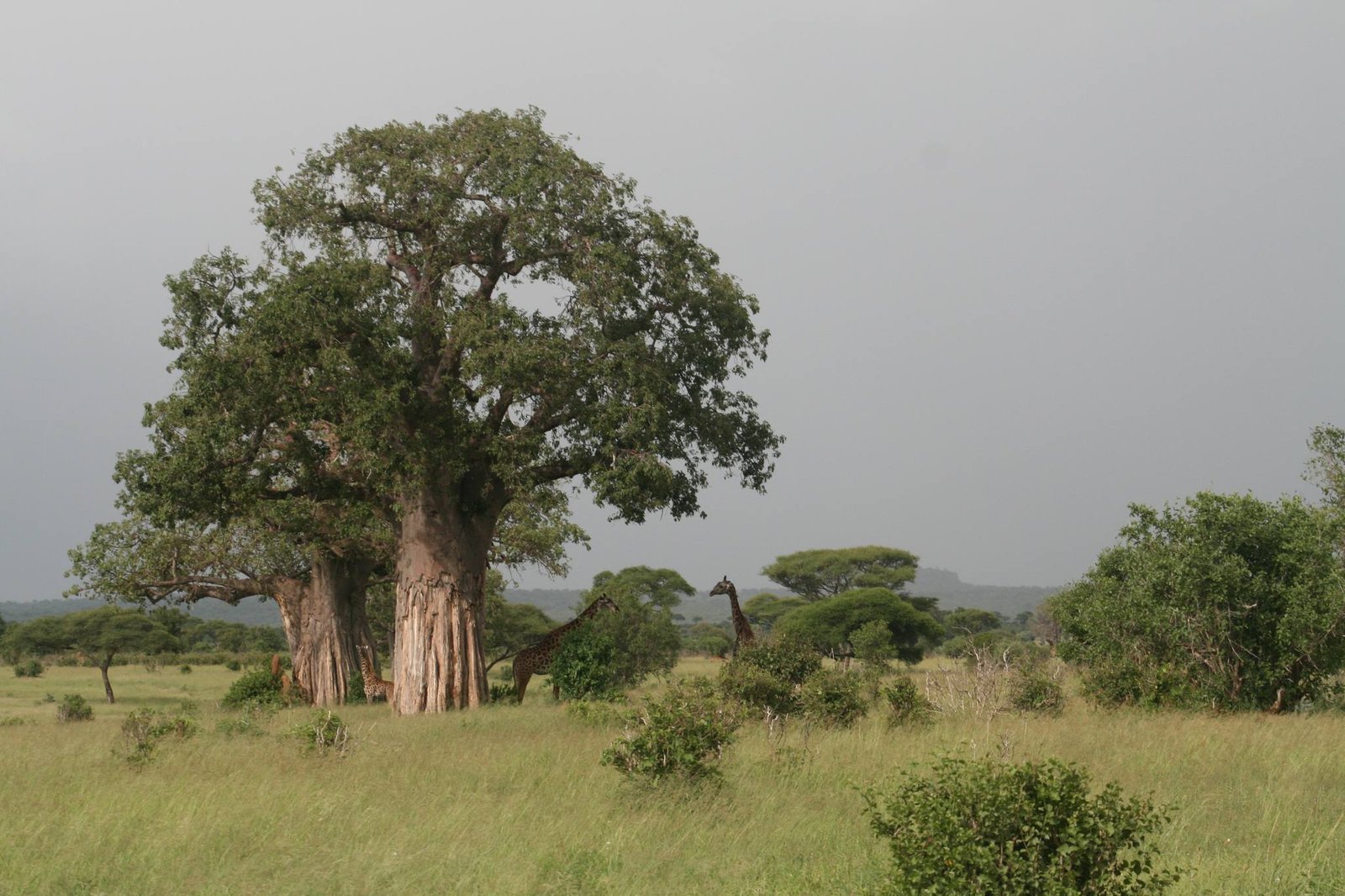
Tanzania sits just south of the equator, so its seasons turn on rainfall rather than temperature. Broadly, the long dry season runs from roughly June to October, the short rains fall around November and December, a hot dry spell follows in January and February, and the long rains arrive around March to May. These patterns are well established, yet the timing and weight of rain shift from year to year and from place to place.
That variability matters. The northern highlands around Ngorongoro can feel cool and misty while the coast is humid, and the southern parks follow a slightly different rhythm from the Serengeti. Treat any seasonal guide as a pattern to plan around, not a promise, and leave room for the weather to surprise you.
A closer look
The dry months from June to October are the classic safari window. Vegetation thins, animals gather around remaining water, and daytime conditions are generally comfortable. This is also when many visitors combine the northern circuit with Zanzibar, where the drier, breezier conditions often suit beach time.
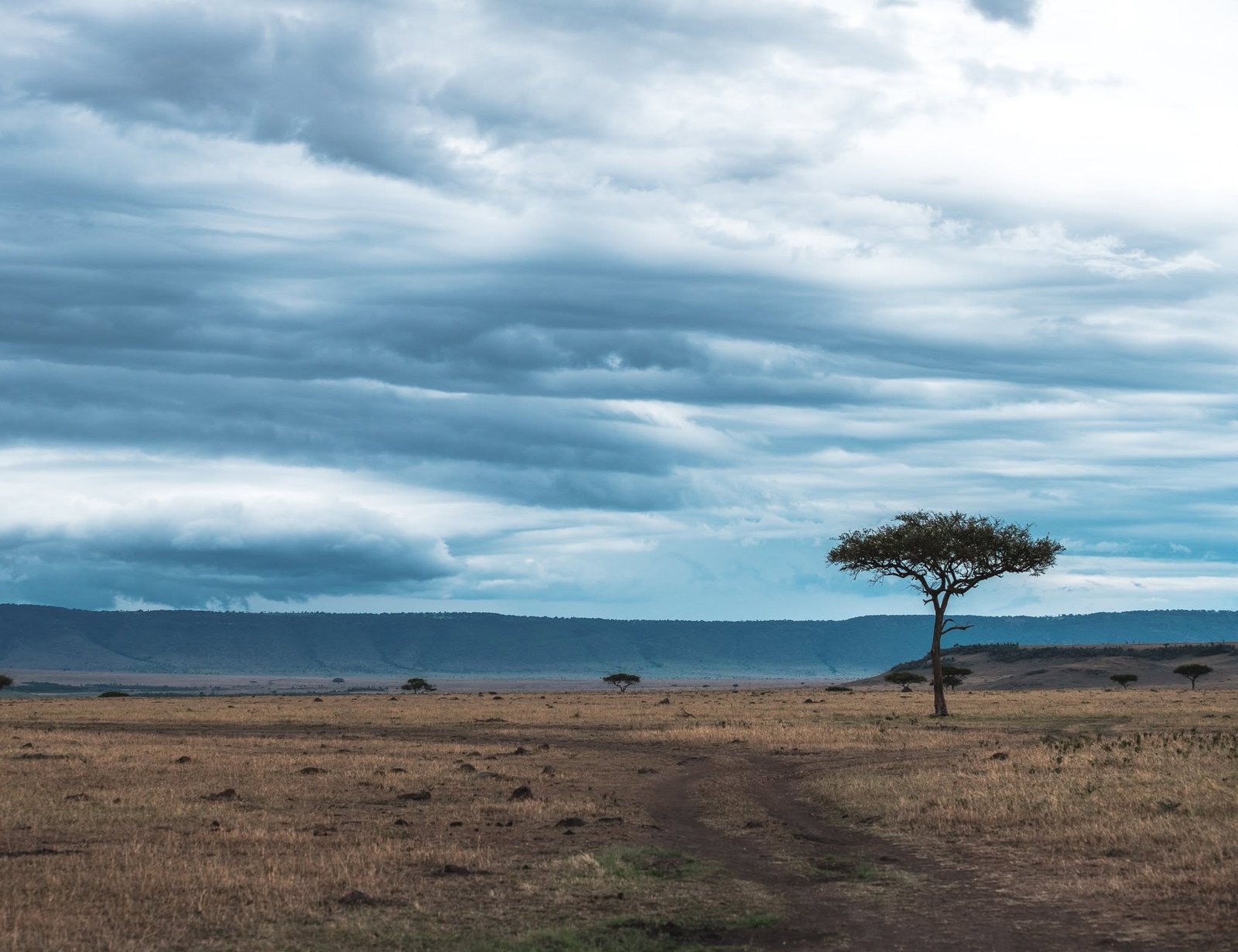
January and February bring a shorter dry spell and warm, clear days, with calving among grazing herds on the southern plains. The long rains from March to May green the landscape, fill the pans and bring excellent birdwatching, though some tracks and camps may close and travel can be slower. Weigh crowds and comfort against lush scenery and quieter roads.
Into the details
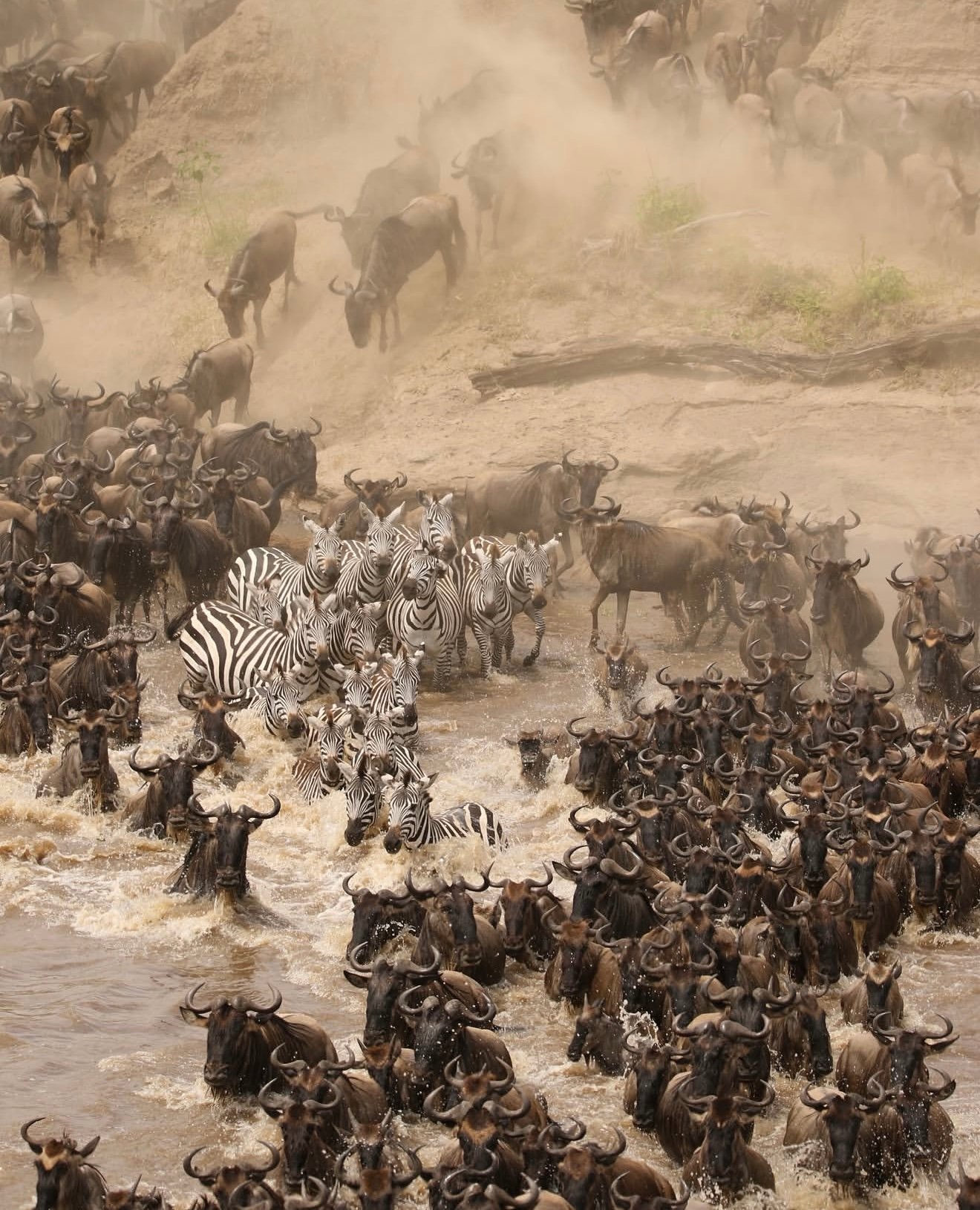
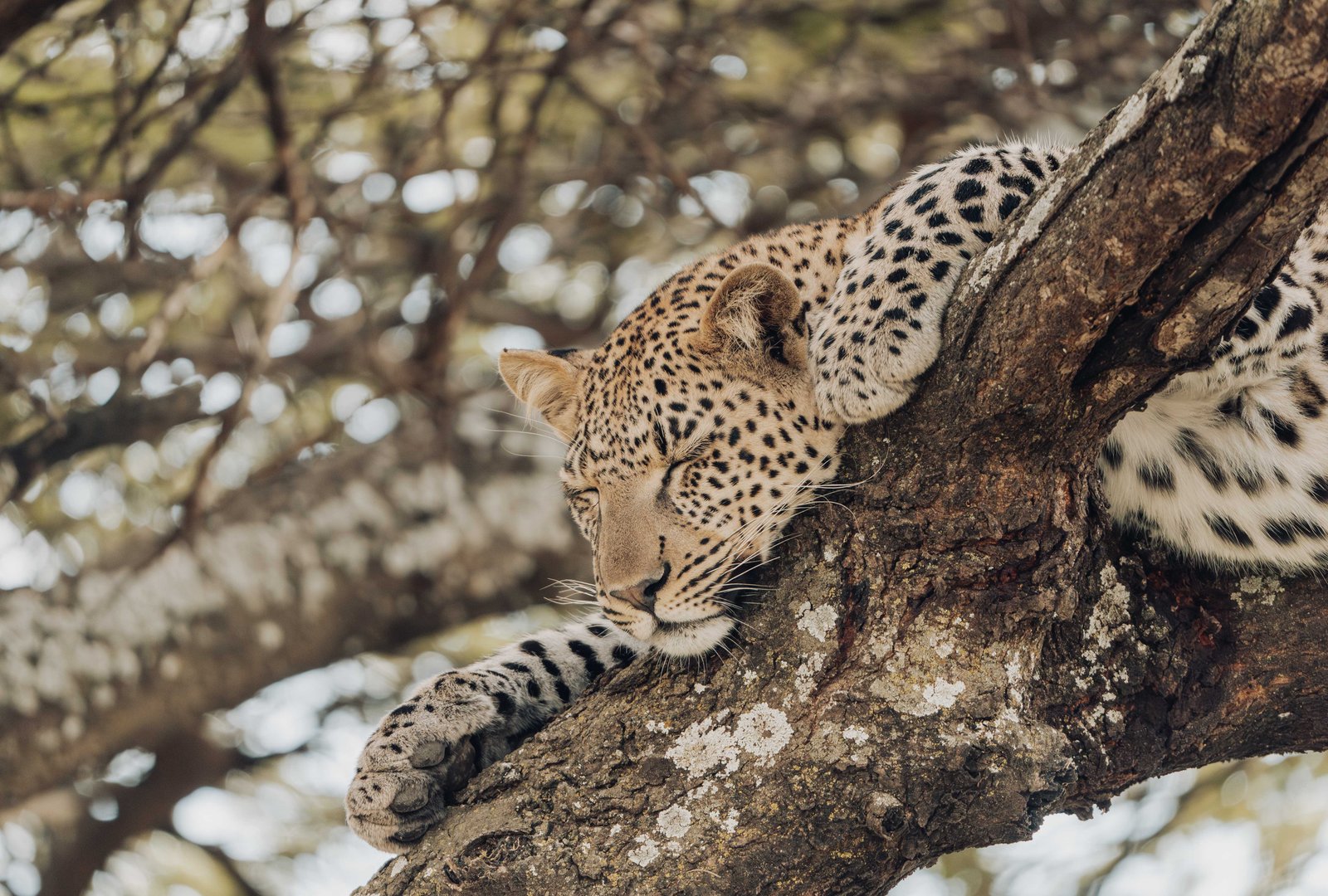
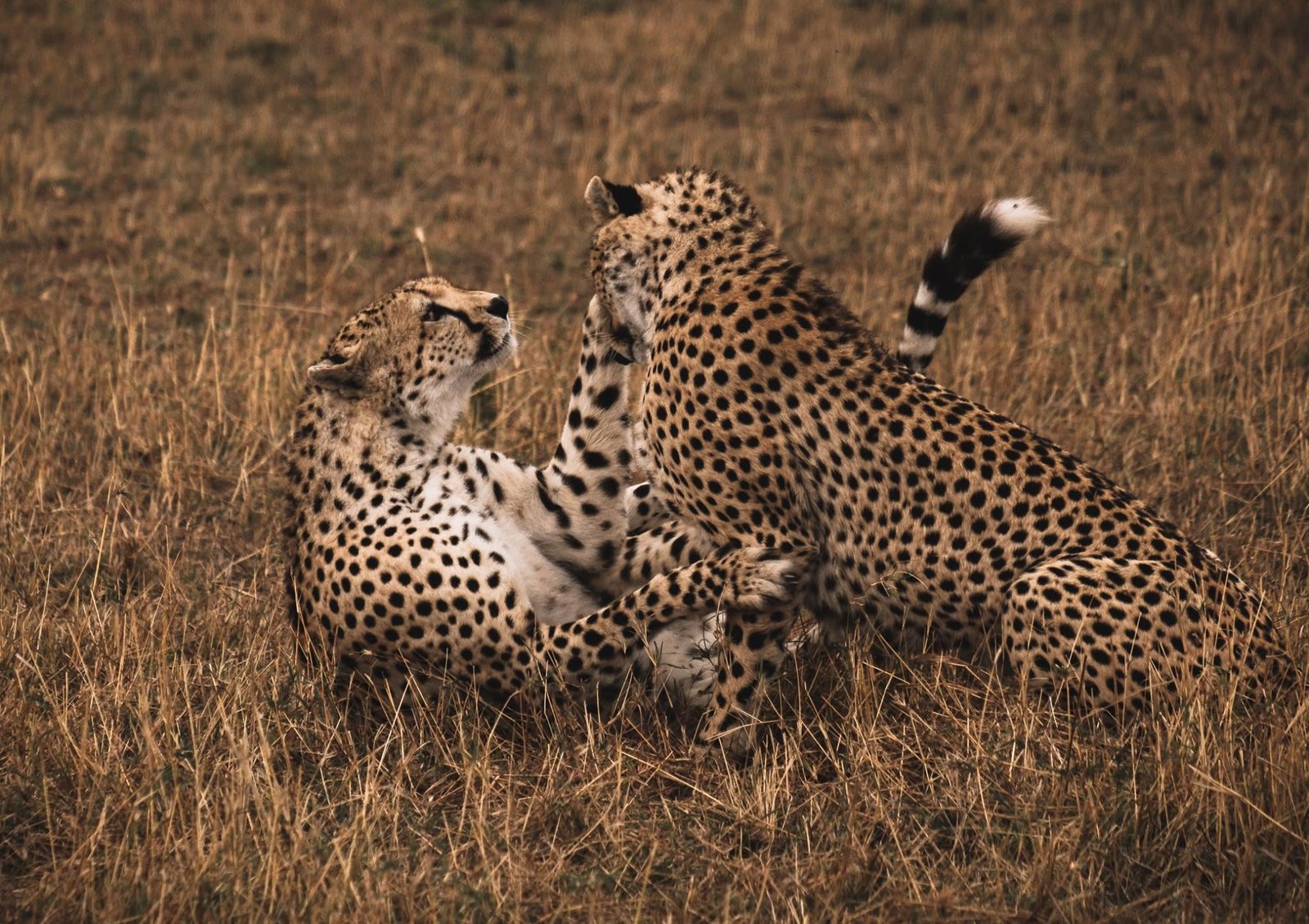
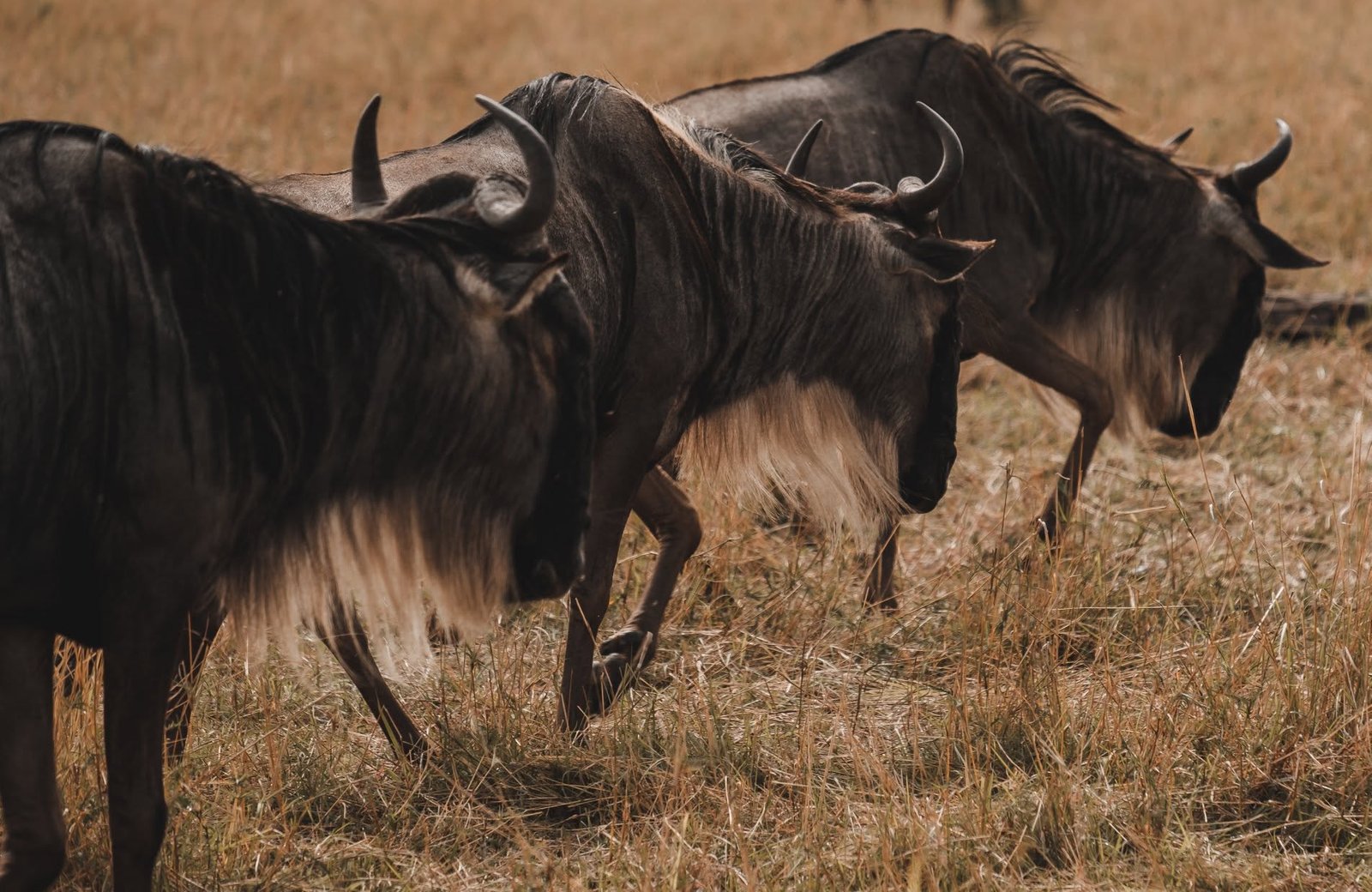
Wildlife viewing does not switch on and off with the calendar. Predators and resident herbivores remain throughout the year, and the great herds move according to grazing and water rather than a fixed timetable. Migration timing varies between years, so build expectations around the wider experience of the plains rather than a single spectacle.
For the coast and islands, the drier months tend to offer calmer seas and clearer water, while the green season brings heat, humidity and occasional heavy showers. Diving and snorkelling conditions depend on tides, wind and local weather. Wherever you go, pack layers, sun protection and rain cover, and let your guide adapt the day to what the land is doing.
Take it with you
Dry-season game viewing
June to October generally brings thinner vegetation, concentrated water sources and comfortable safari days, making it a popular window for the northern parks.
Green-season atmosphere
The long rains around March to May transform the plains, favour birdlife and reduce visitor numbers, though some roads and camps may be affected.
Calving and short dry spell
January and February often bring warm, clearer weather and newborn animals on the southern plains, a rewarding contrast to the main dry season.