The story begins
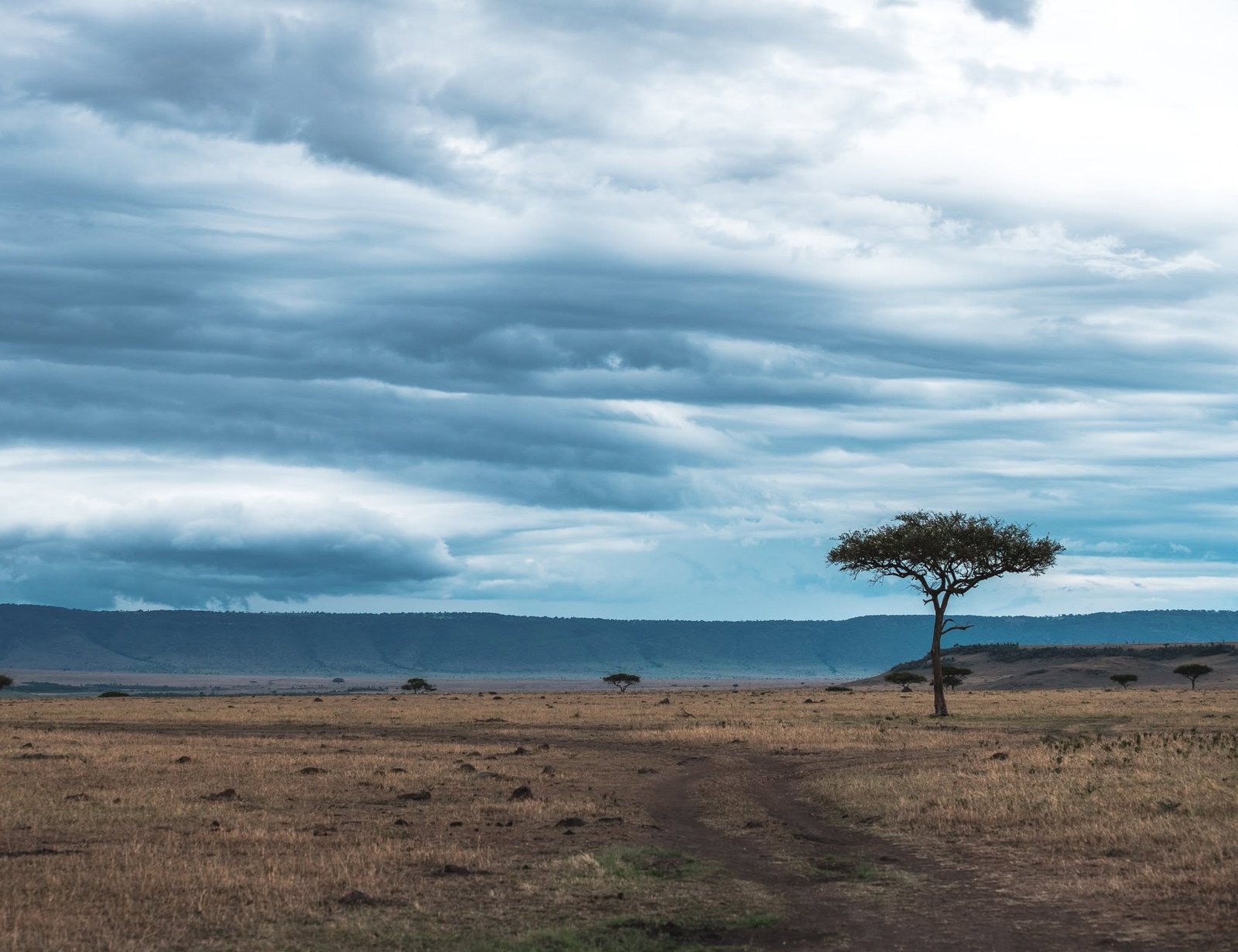
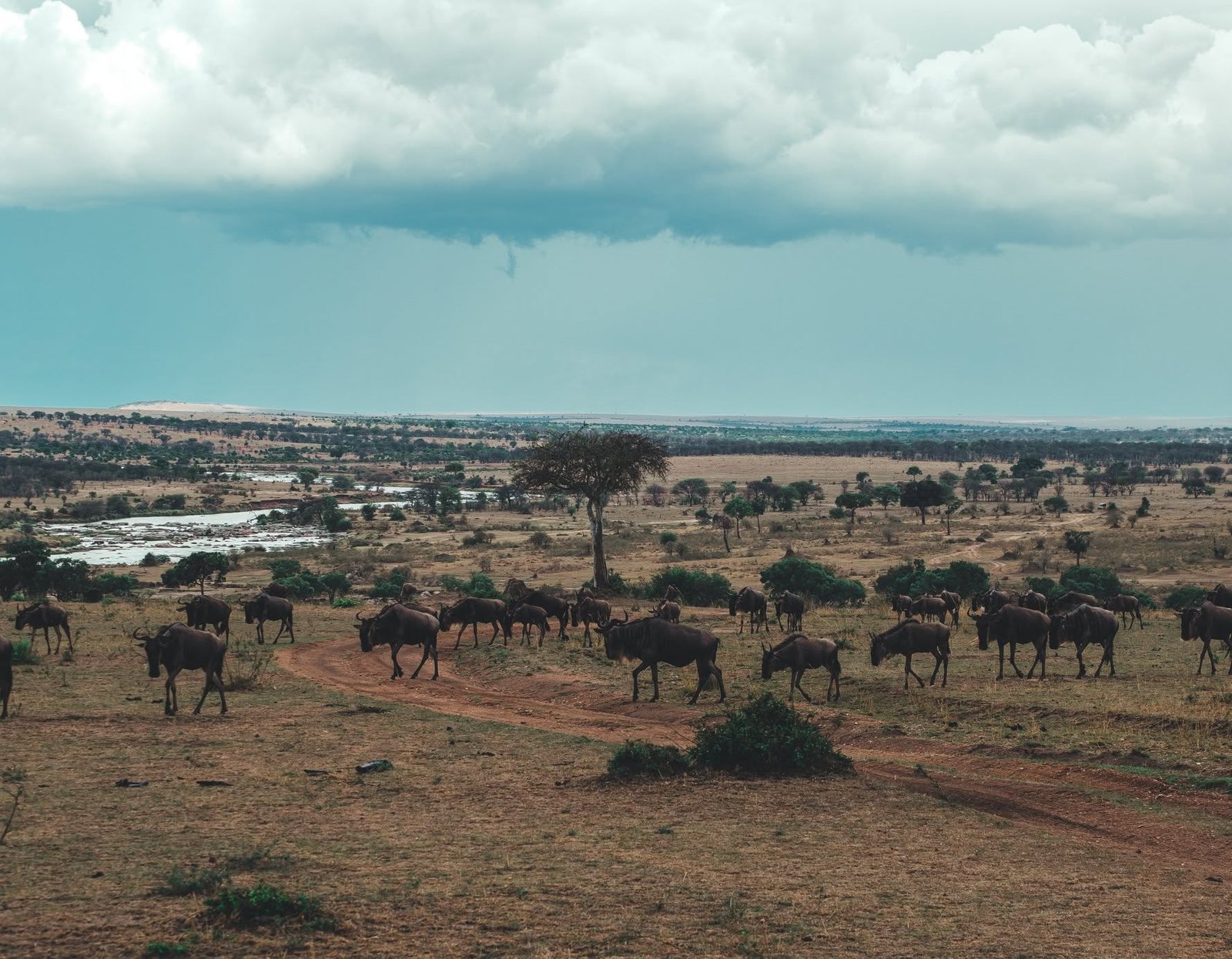
The migration is driven less by instinct alone than by the search for fresh grazing. Around two million wildebeest, joined by zebra and gazelle, move through the wider Serengeti–Mara ecosystem as seasonal rains refresh the grasslands. The broad pattern is a clockwise circuit: calving grounds in the southern Serengeti and Ngorongoro area, then north and west as the dry season advances, before the herds return south with the rains.
Because rainfall varies from year to year, the timing and route shift. Herds may linger where grass remains green or split across several areas. No operator can guarantee a particular crossing, and a safari planned around one spectacle may instead reveal quieter, equally rewarding wildlife moments.
A closer look
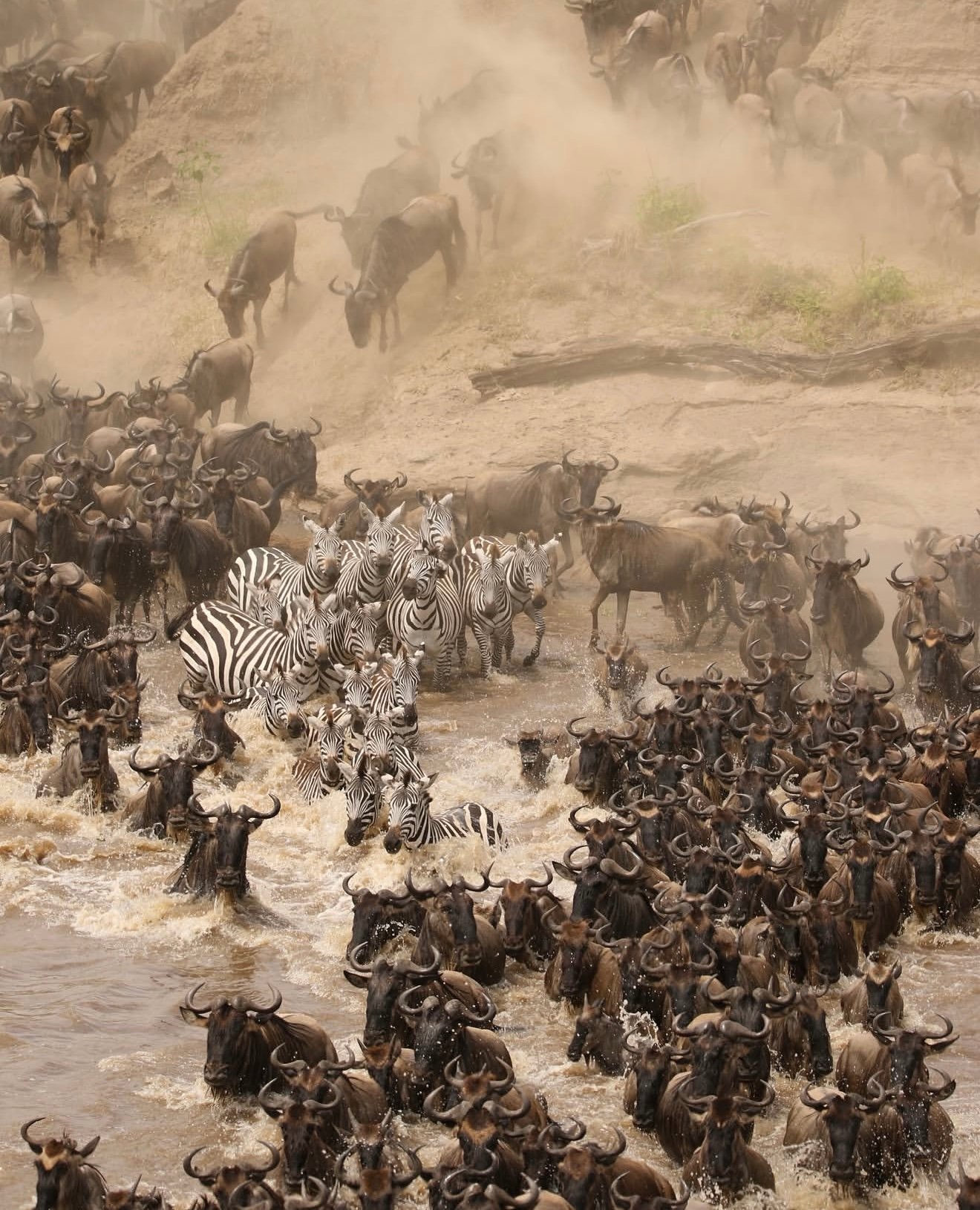
Calving typically coincides with the short rains early in the year, when nutritious new grass supports newborn wildebeest and attracts predators. As conditions dry, the herds drift north and west, gathering near the Grumeti and Mara rivers. River crossings are unpredictable, brief and often chaotic; patience and a knowledgeable guide matter far more than a fixed schedule.
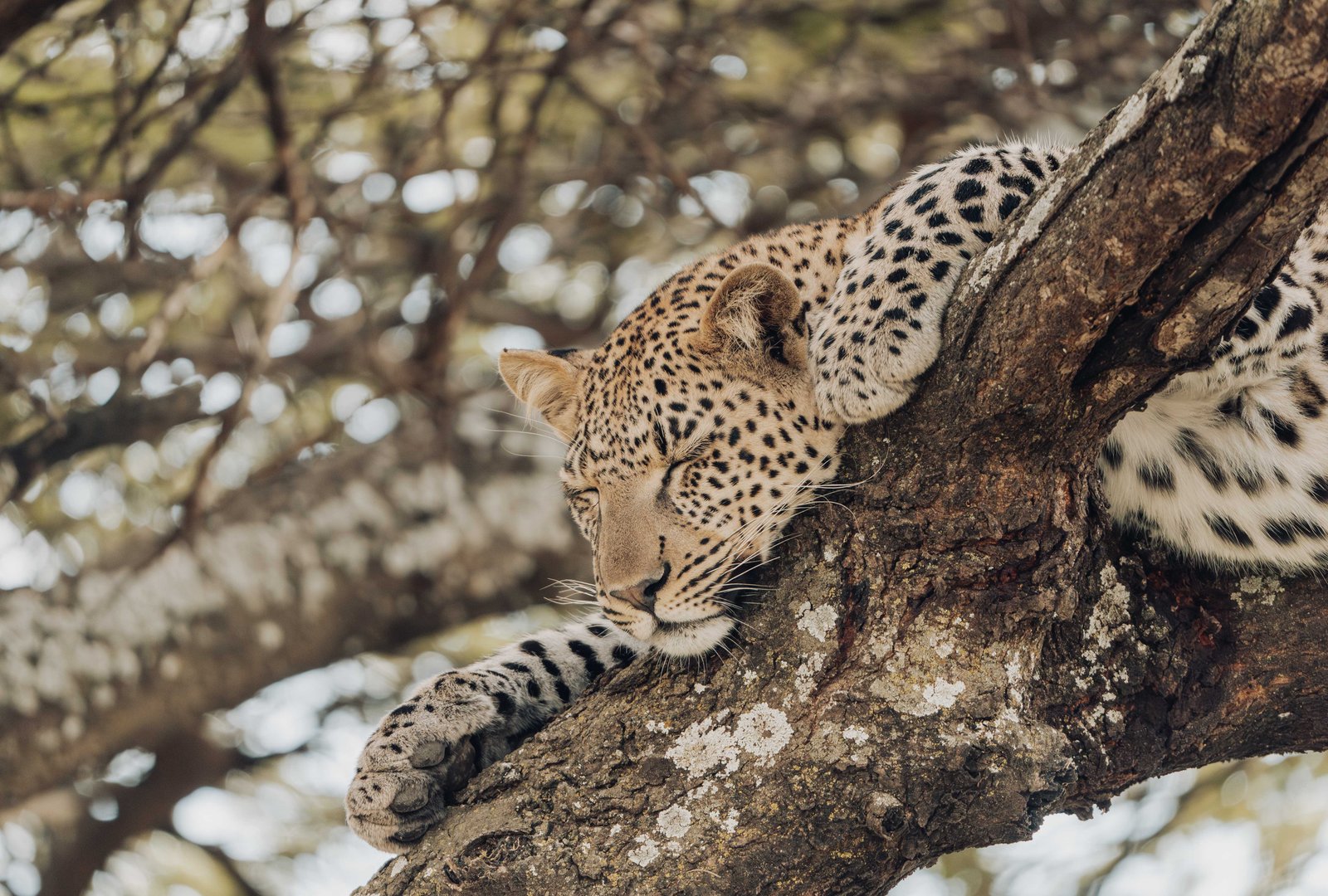
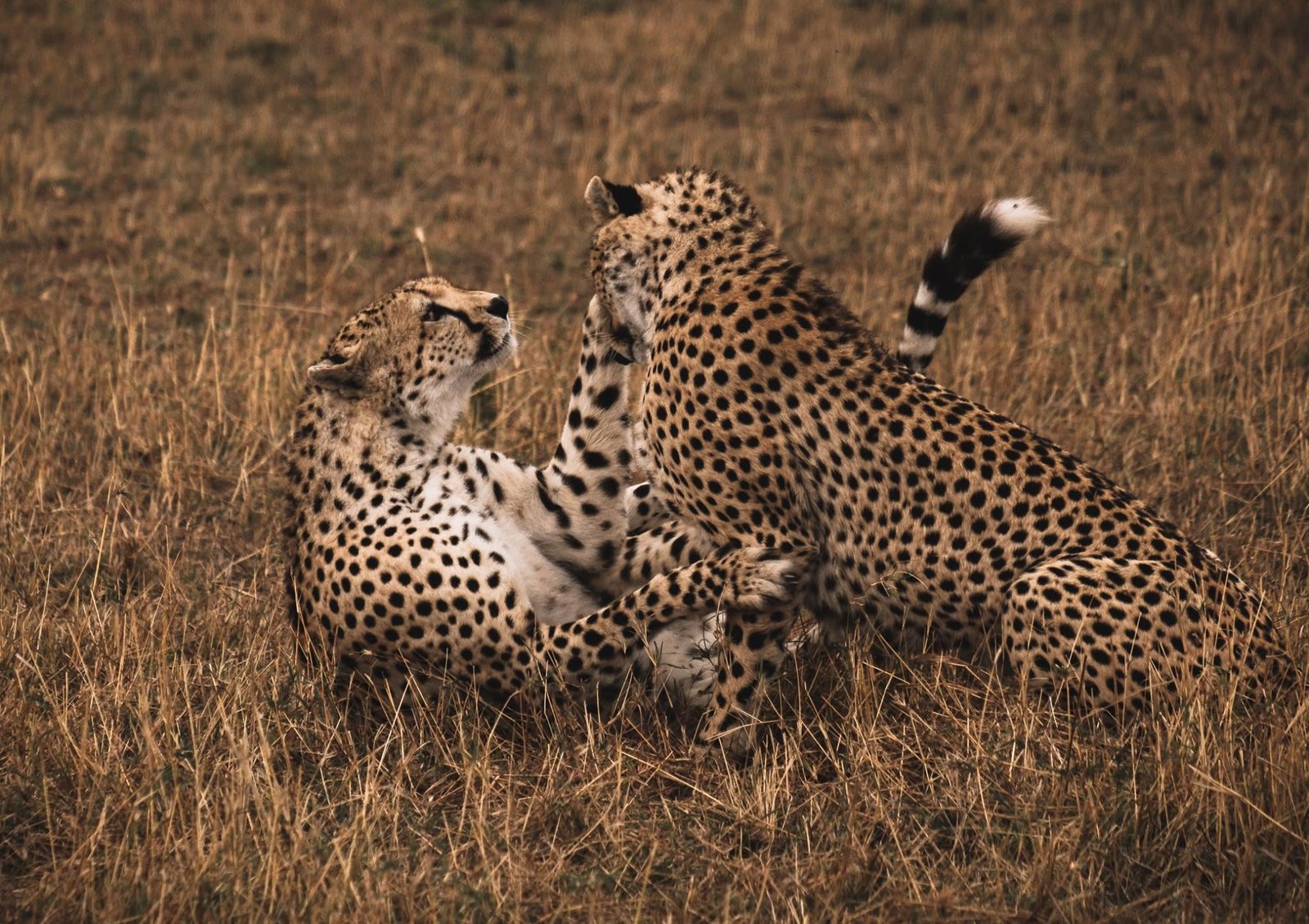
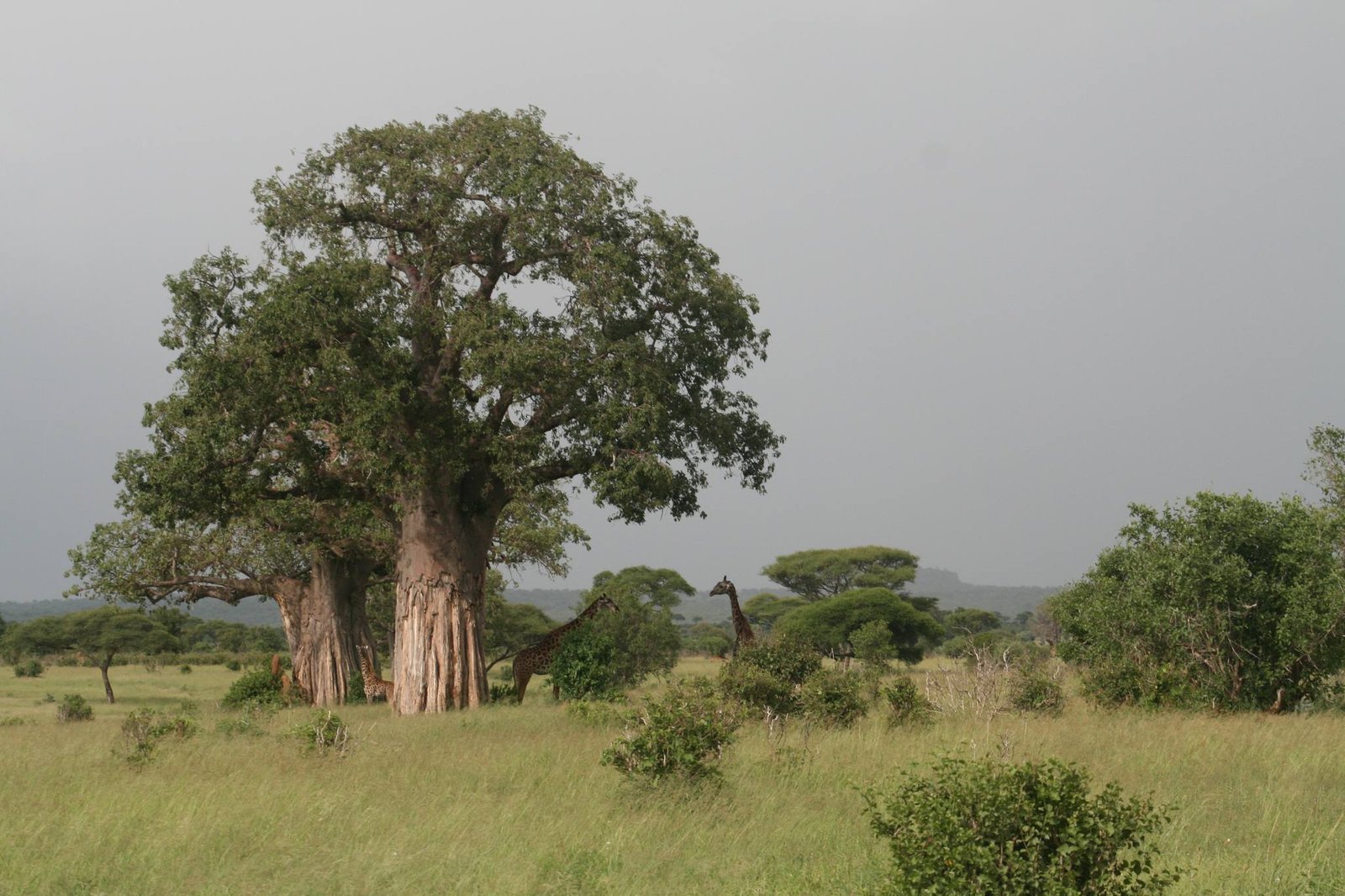
The migration also shapes the wider ecosystem. Grazing and trampling maintain grassland structure, while predators, scavengers and insects follow the herds. For visitors, this means the spectacle is never only about wildebeest: it is a moving landscape of plains game, big cats and birds responding to the same seasonal cues.
Into the details
Planning around the migration is about choosing a broad region and season rather than chasing a guaranteed event. Early-year safaris in the southern Serengeti suit those interested in calving and predator activity. Mid-year travel further north offers classic plains scenery and a chance of river crossings, though the herds may be elsewhere. The returning movement south is often quieter and less crowded.
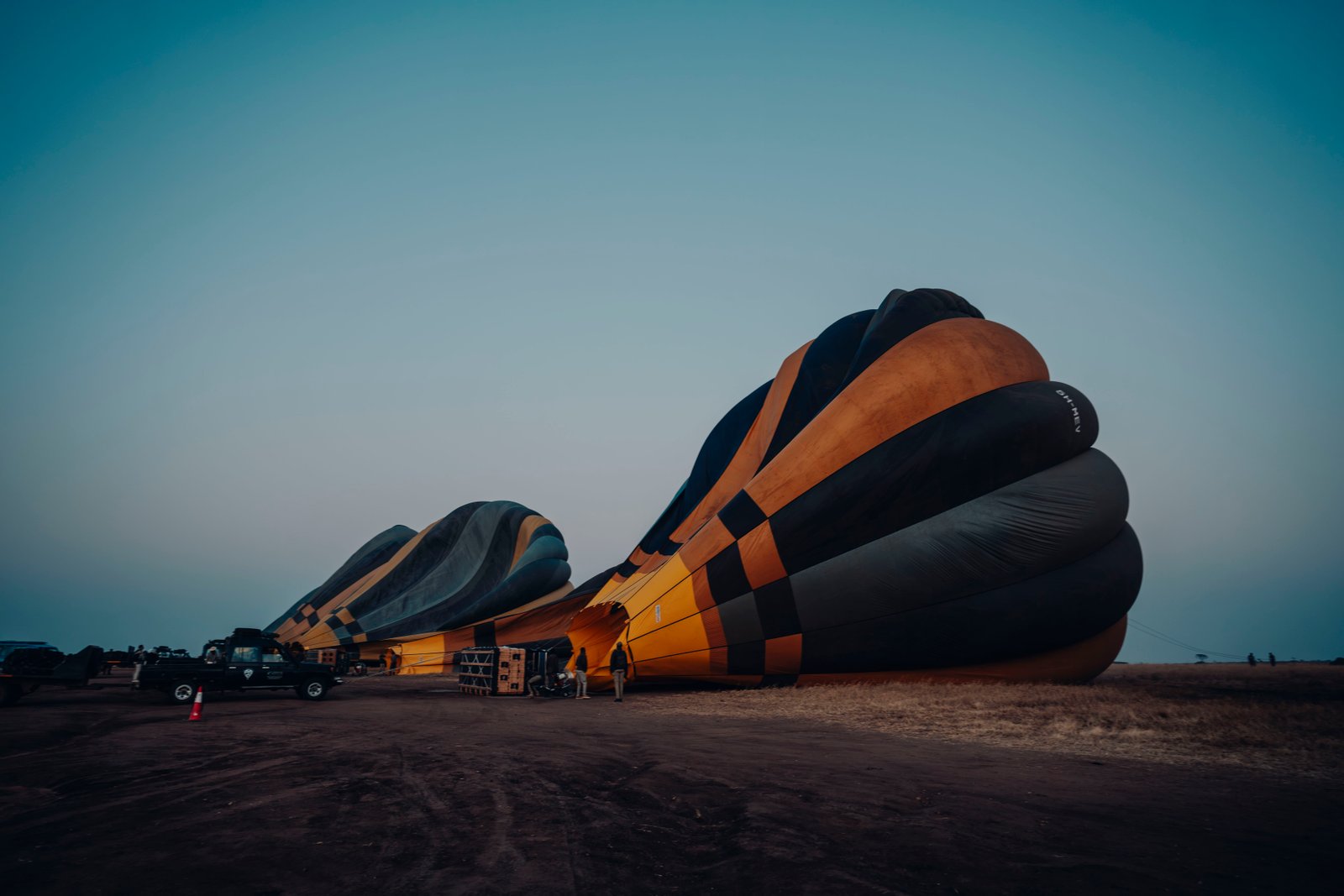
A good guide reads recent rainfall, grass and herd reports, and adjusts day by day. Visitors should expect early starts, long drives and changing plans. Accommodation in the wider ecosystem can be remote, so it is worth discussing comfort levels and travel style in advance. That flexibility often produces the most memorable encounters.
Take it with you
Follow the rains, not a fixed date
The herds respond to local rainfall and grass growth, so the timing of calving, river crossings and herd movements varies each year. Build flexibility into your plans and treat any particular sighting as a possibility rather than a promise.
Choose a region for the season
Southern and central areas are often associated with early-year calving, while northern areas suit mid-year travel near the Mara River. Discussing your interests and preferred pace with a knowledgeable guide helps match expectations to conditions.
Respect the unpredictable
River crossings and predator activity cannot be scheduled. Waiting quietly, keeping a sensible distance and accepting that some days bring different wildlife can make the experience richer and kinder to the ecosystem.