The story begins
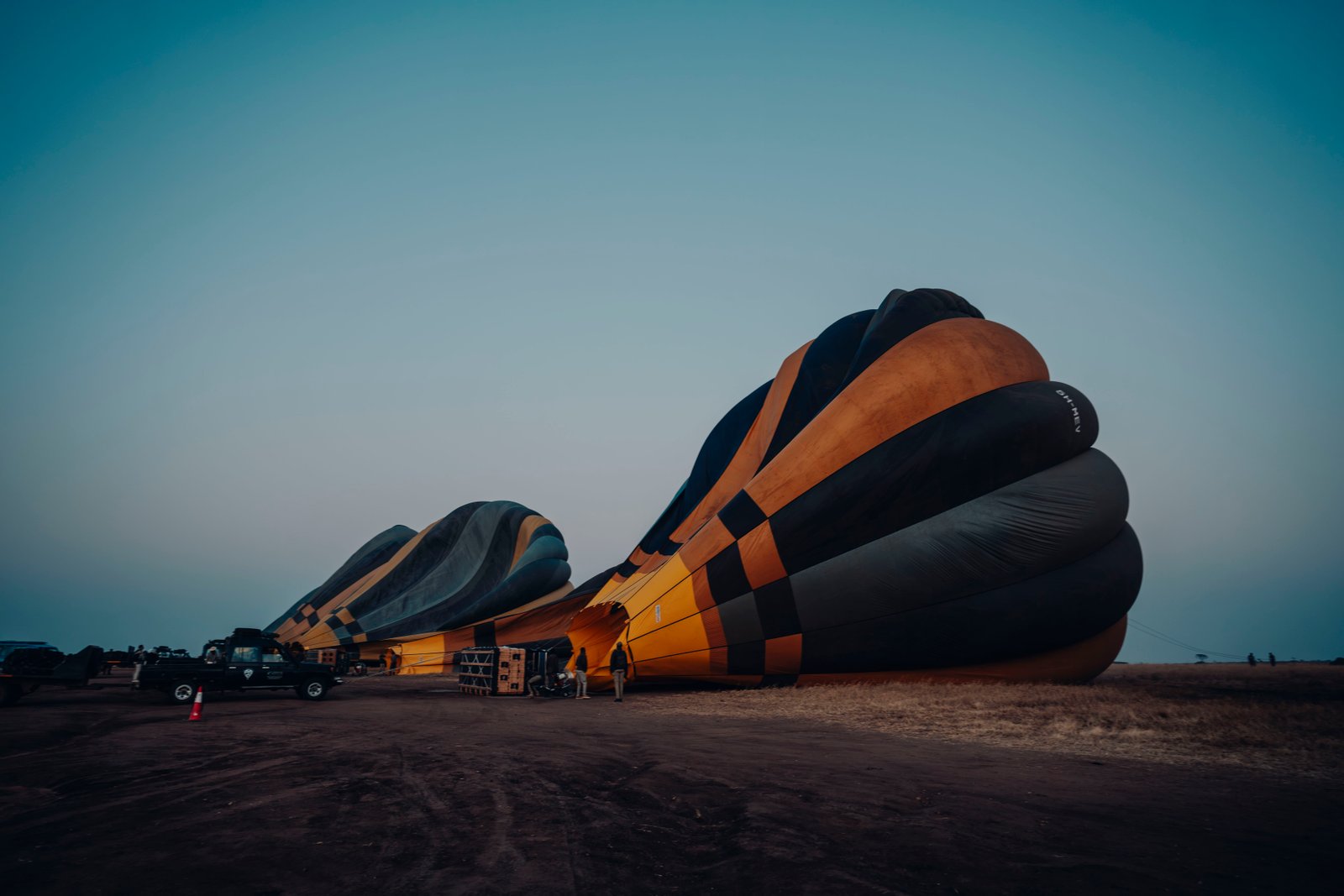
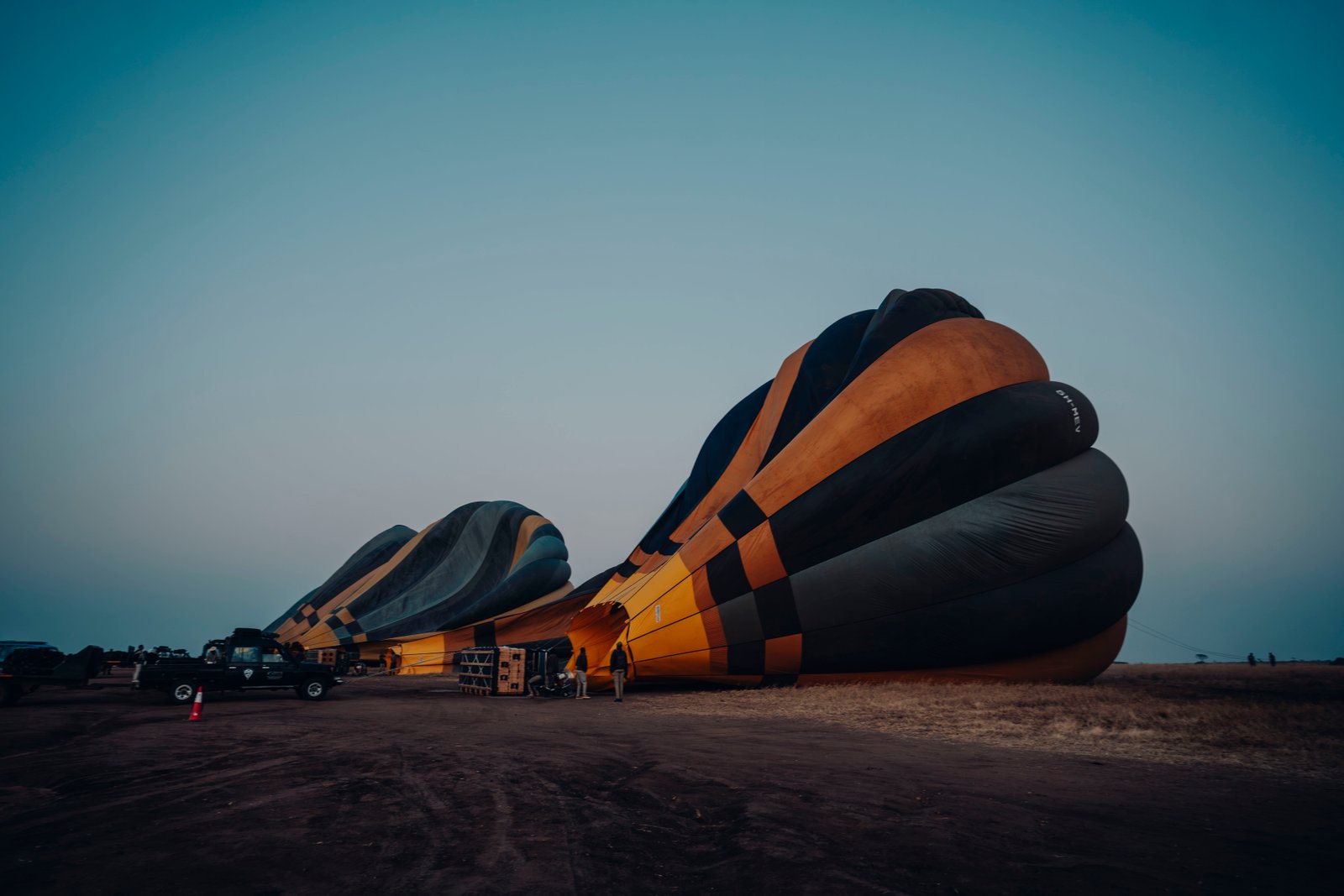
A balloon safari starts long before sunrise, when you are collected in the dark and driven towards a launch site chosen for the morning's wind. Crews inflate the envelope with cold air and then hot air while you watch, and the first pale light usually arrives as passengers climb into the basket.
The ascent is quiet and remarkably gentle: no runway, no engine roar, just the occasional burner and the sense of the ground falling away. Because balloons drift with the wind, no two flights follow the same line, and the pilot steers only by changing height to catch different air currents.
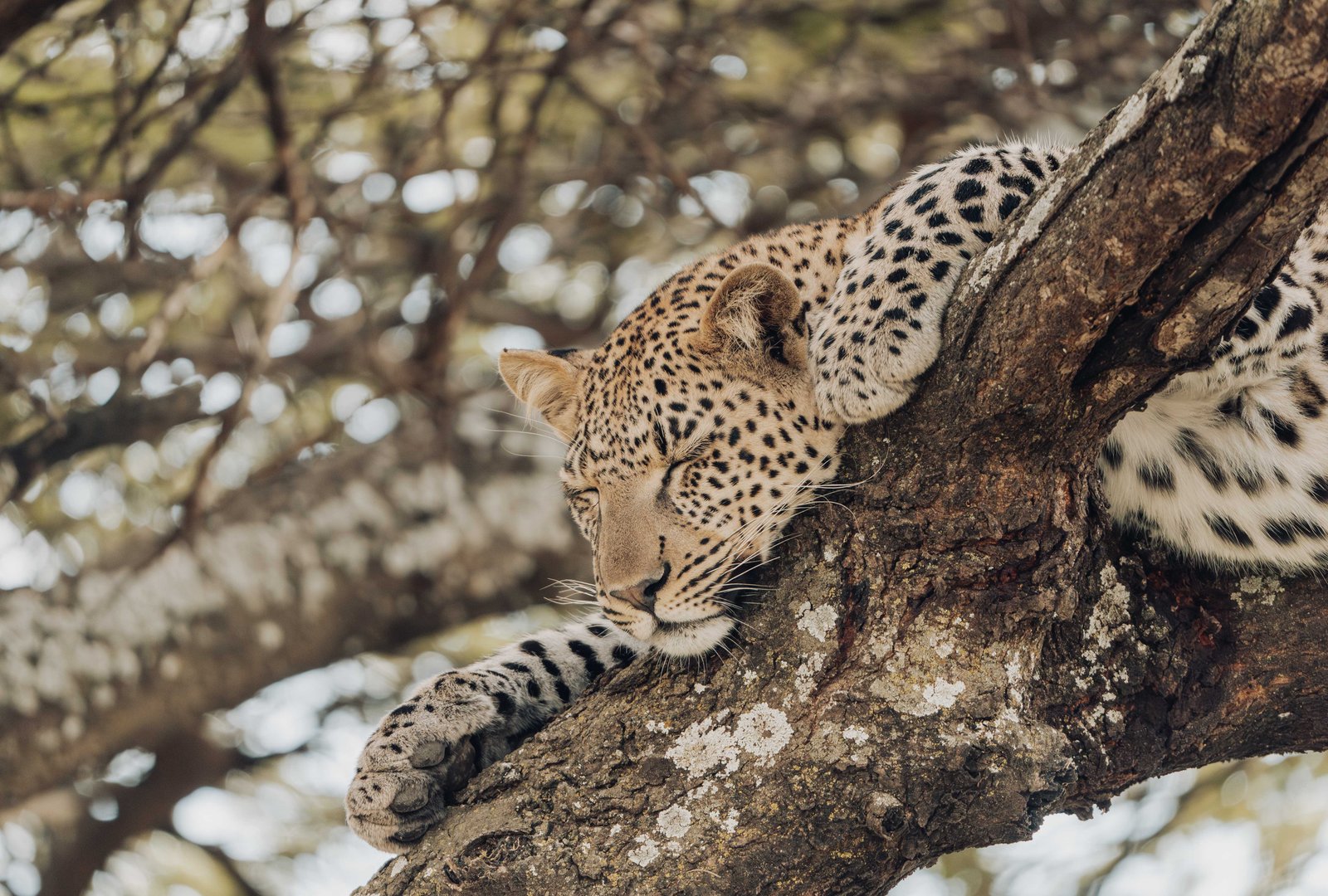
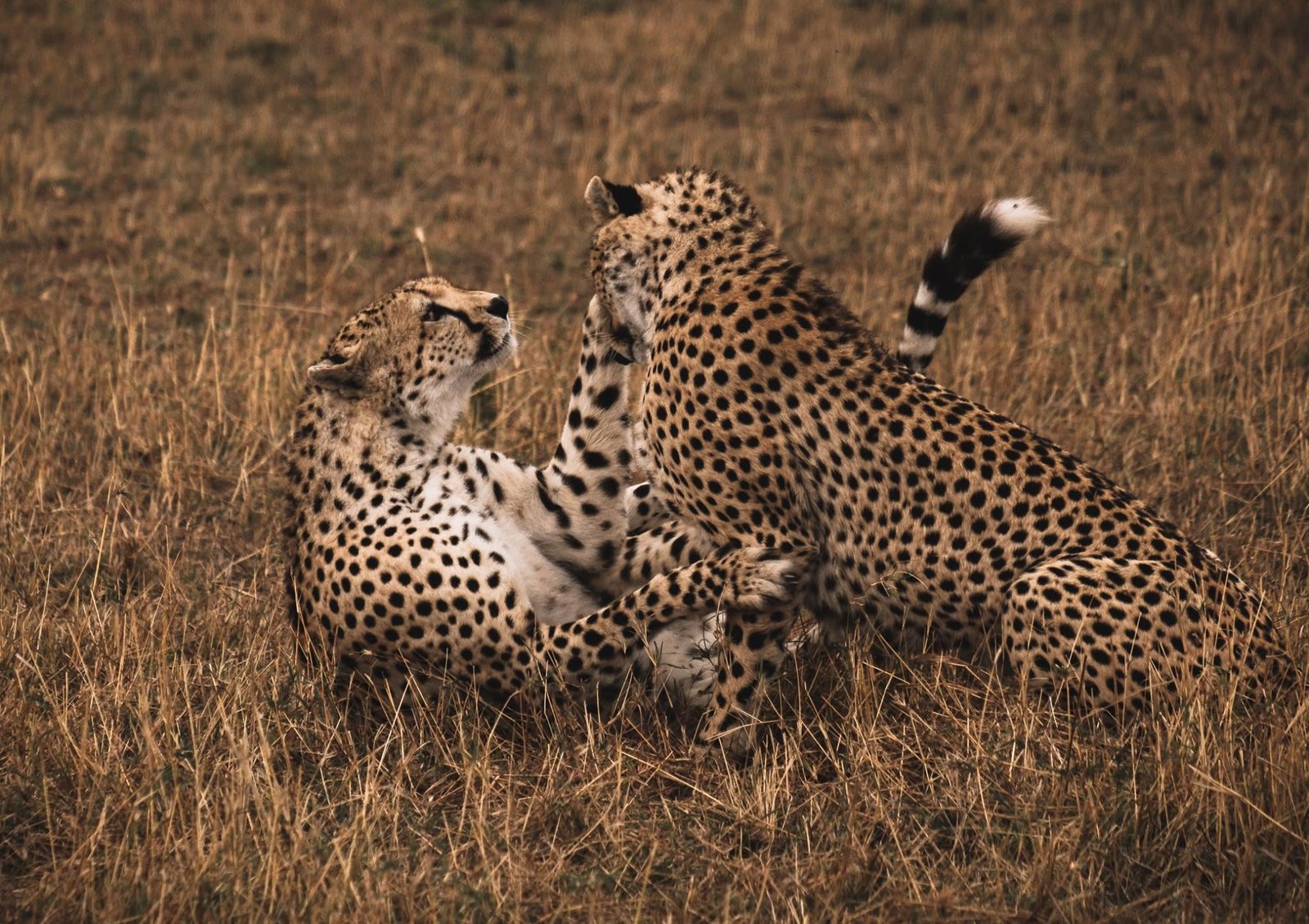
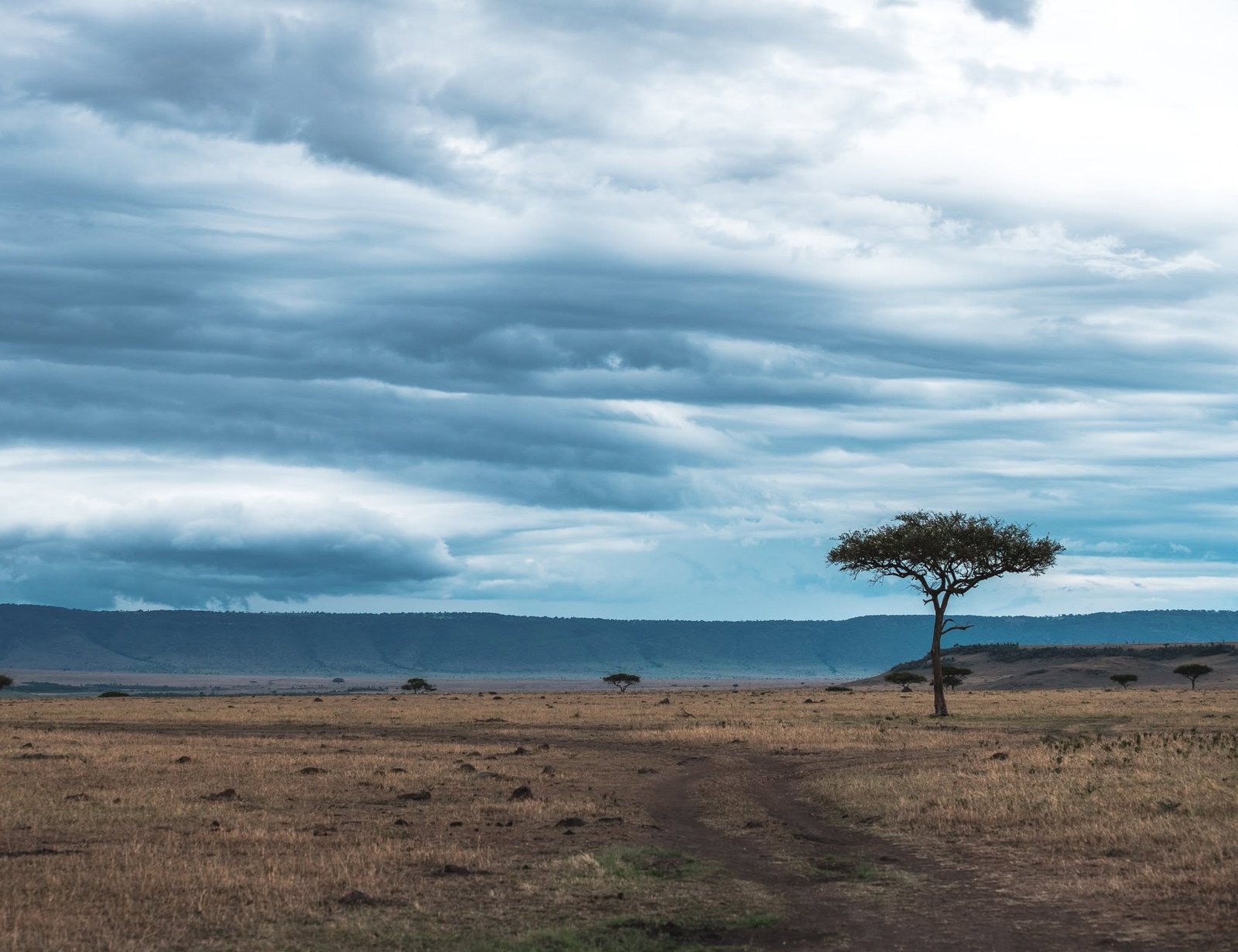
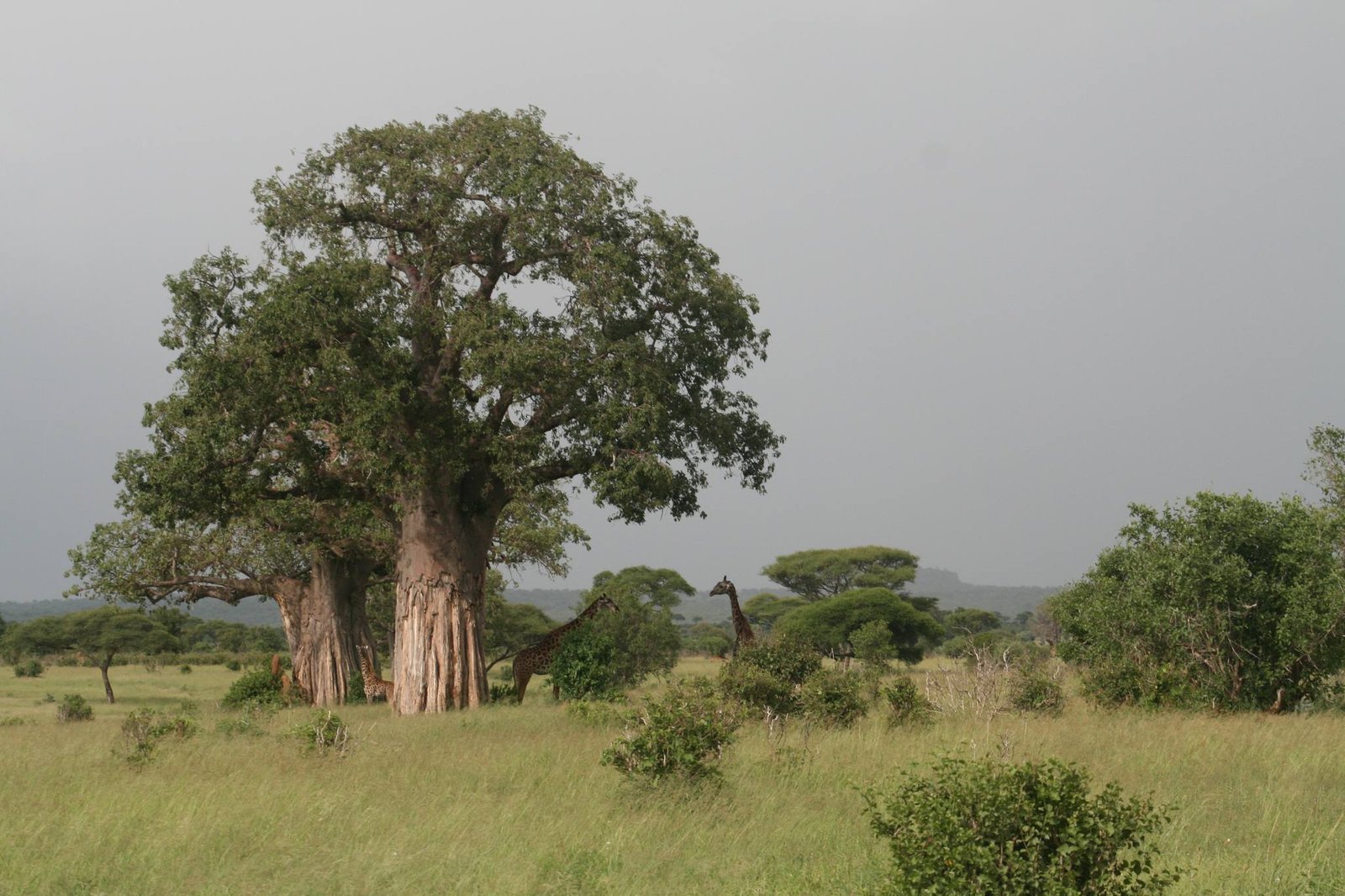
Below, the landscape opens into a patchwork of grassland, woodland, river lines and tracks, with animals often visible as small shapes that gradually resolve into elephants, giraffe, antelope or herds moving between water and grazing.
A closer look
Most flights last around an hour in the air, though the whole outing, including transfers, briefing, inflation and the return journey, commonly fills a morning. Landings are usually soft but can be bumpy if the wind picks up, and ground crews follow the balloon to pack it away and bring passengers back.
Many operators offer a celebratory breakfast or brunch after landing, sometimes in the bush itself. Details vary widely, so treat any refreshments as part of the operator's own arrangements rather than a universal inclusion.
Balloons carry only a handful of passengers in divided compartments, which keeps views open and gives the flight an intimate feel. Space is genuinely limited, so booking well ahead is wise in peak seasons.
Into the details
Weather governs everything. Flights are typically scheduled at first light, when air is coolest and most stable, and are cancelled when wind, rain or visibility make conditions unsafe. This means a balloon morning is never guaranteed, even in the dry season, and a sensible itinerary leaves room to try again.
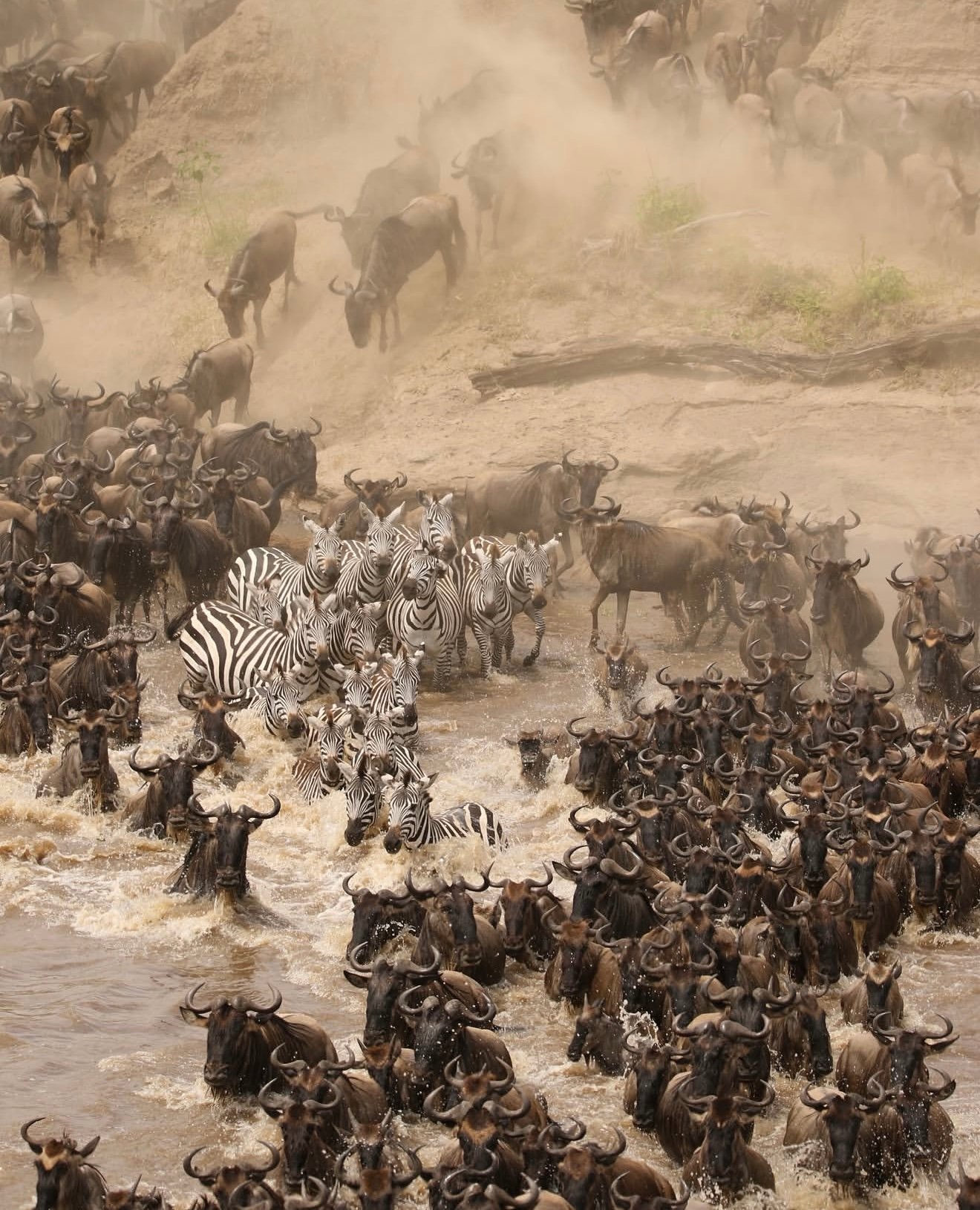
Season and place shape what you might see. In East African savannah country, the drier months often concentrate animals around water and make tracks easier to follow, while greener months bring lush scenery and different bird activity. Migration timing is variable and should never be treated as fixed; ask what is typical for your dates rather than assuming a spectacle.
Anyone with limited mobility, back trouble, a fear of heights or a pregnancy should discuss suitability with the operator and their own doctor in advance, as boarding and landing can require a degree of agility.
Take it with you
Dress in warm layers
Dawn flights are chilly, especially in an open basket, but the air warms quickly after sunrise. A hat, sunglasses and a soft bag rather than loose items are practical; anything dropped overboard is gone.
Bring a camera you can hold securely
There is little room to spread out equipment, so a wrist strap or neck strap helps. Binoculars are useful, but the balloon itself gives a wide view that rewards simply looking.
Plan for a flexible morning
Keep the rest of the day light, since transfers and the landing routine take time. If your itinerary allows, leave a spare morning in case weather cancels the flight.