The story begins
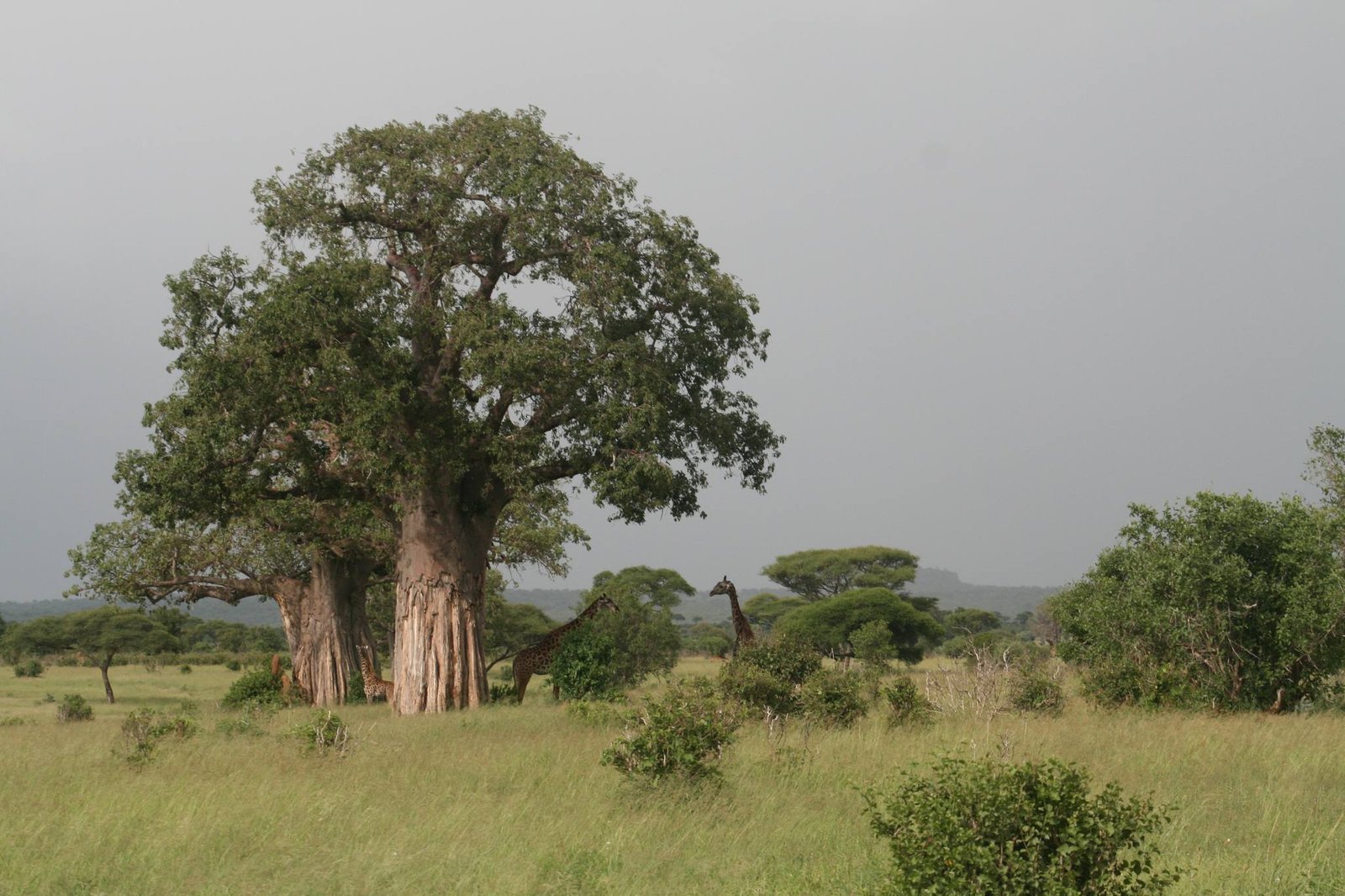
Southern Tanzania spreads across a landscape of miombo woodland, broad floodplains and escarpment country that feels markedly emptier than the north. Ruaha is the largest national park in the country, a place of baobabs and a great river where dry-season concentrations of game draw predators in turn. Katavi, further west, is remote even by Tanzanian standards; in the dry months its plains support large herds, and the remaining water pulls animals into closer view.
These are not parks to rush. Distances are considerable, light aircraft often link the remoter camps, and the reward is time spent with few other vehicles in sight. Wildlife is wild and seasonal: sightings are never guaranteed, and the best months for game viewing differ from those for butterflies, birds or green landscapes. Travel here asks for patience and a taste for wide horizons.
A closer look
Katavi rewards those who settle in rather than pass through. Its floodplain and woodland edge support hippo, crocodile and healthy populations of antelope, with lion and other predators present but never conspicuous on demand. The dry season tends to concentrate animals near remaining water, while the rains bring green growth and a different, quieter atmosphere.
Mahale Mountains, on the shore of Lake Tanganyika, offers a distinctive combination of forested slopes, clear water and chimpanzee-focused walking, usually undertaken with experienced guides under park rules. Further south, the Selous, now named Nyerere National Park, holds riverine and woodland habitats on a vast scale. Each place has its own rhythm; itineraries should be planned around habitats and seasons, not fixed expectations.
Into the details
A southern safari works best as a sequence rather than a single stop. A typical pattern might link Ruaha’s river country with a fly-in camp, then continue to Katavi for floodplain and woodland, or combine forest and lake at Mahale with a broader game-viewing area. Internal flights reduce road time, but light-aircraft luggage limits, seasonal airstrip access and camp opening dates all shape what is possible.
Travel in the dry months is often preferred for game viewing, while the green season appeals to birders and those seeking fewer visitors. Heat, altitude and malaria risk vary by place and time, so plan with a qualified health adviser. Book well ahead for the small, remote camps, and allow flexibility: weather, wildlife movement and conservation needs can alter the best-laid plans.
Take it with you
River and floodplain country
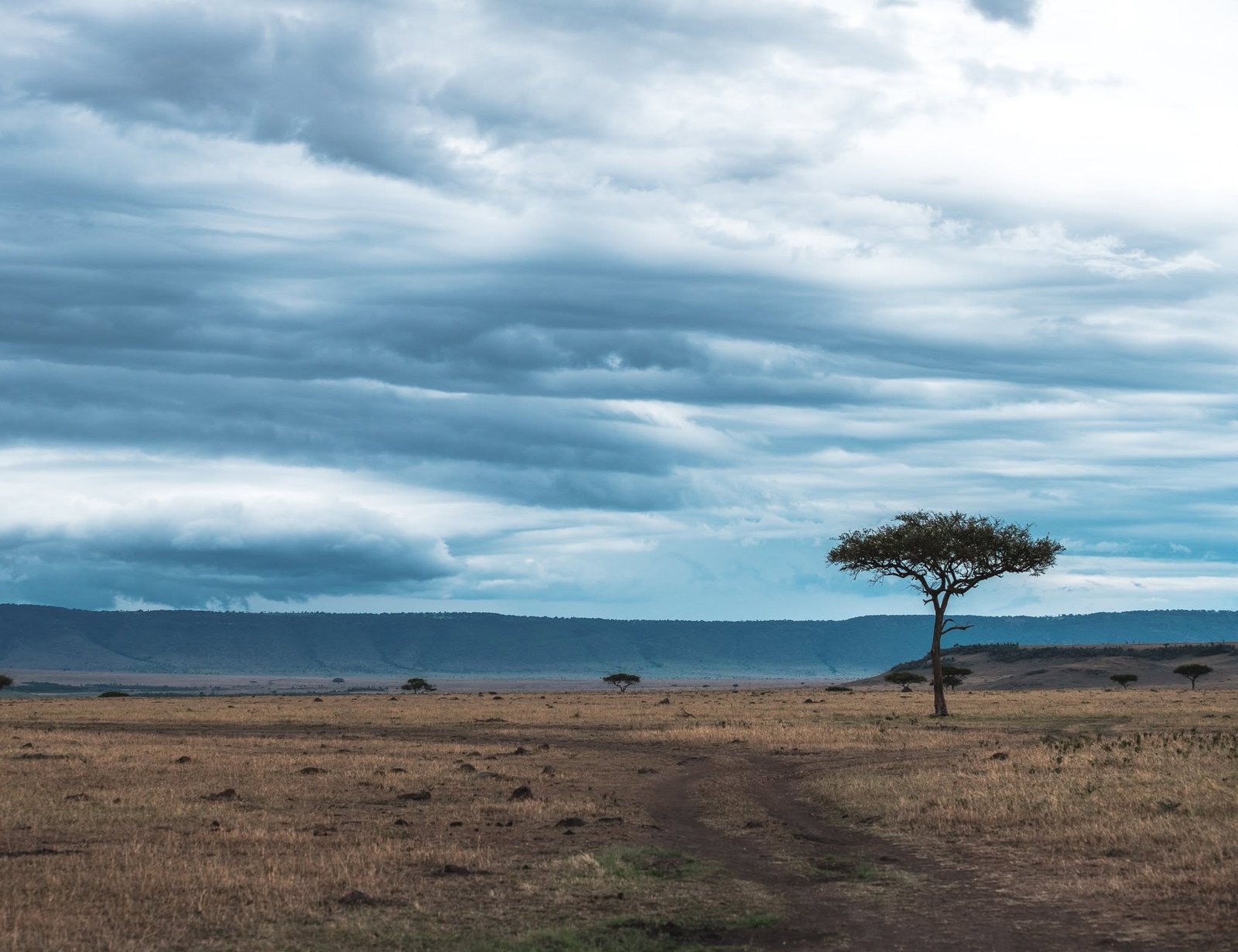
Ruaha and Katavi both revolve around water. Expect baobab-studded plains, slow rivers and seasonal wetlands where animals gather in the drier months and disperse when rain returns.
Forests above a great lake
Mahale’s forested mountains rise from Lake Tanganyika. Guided walking in chimpanzee habitat is a highlight, conducted under park regulations and subject to the animals’ movements.
Scale and solitude
Nyerere National Park and the wider south offer immense landscapes with comparatively few visitors. Come for space, patient observation and the pleasure of a camp that feels far from anywhere.