The story begins
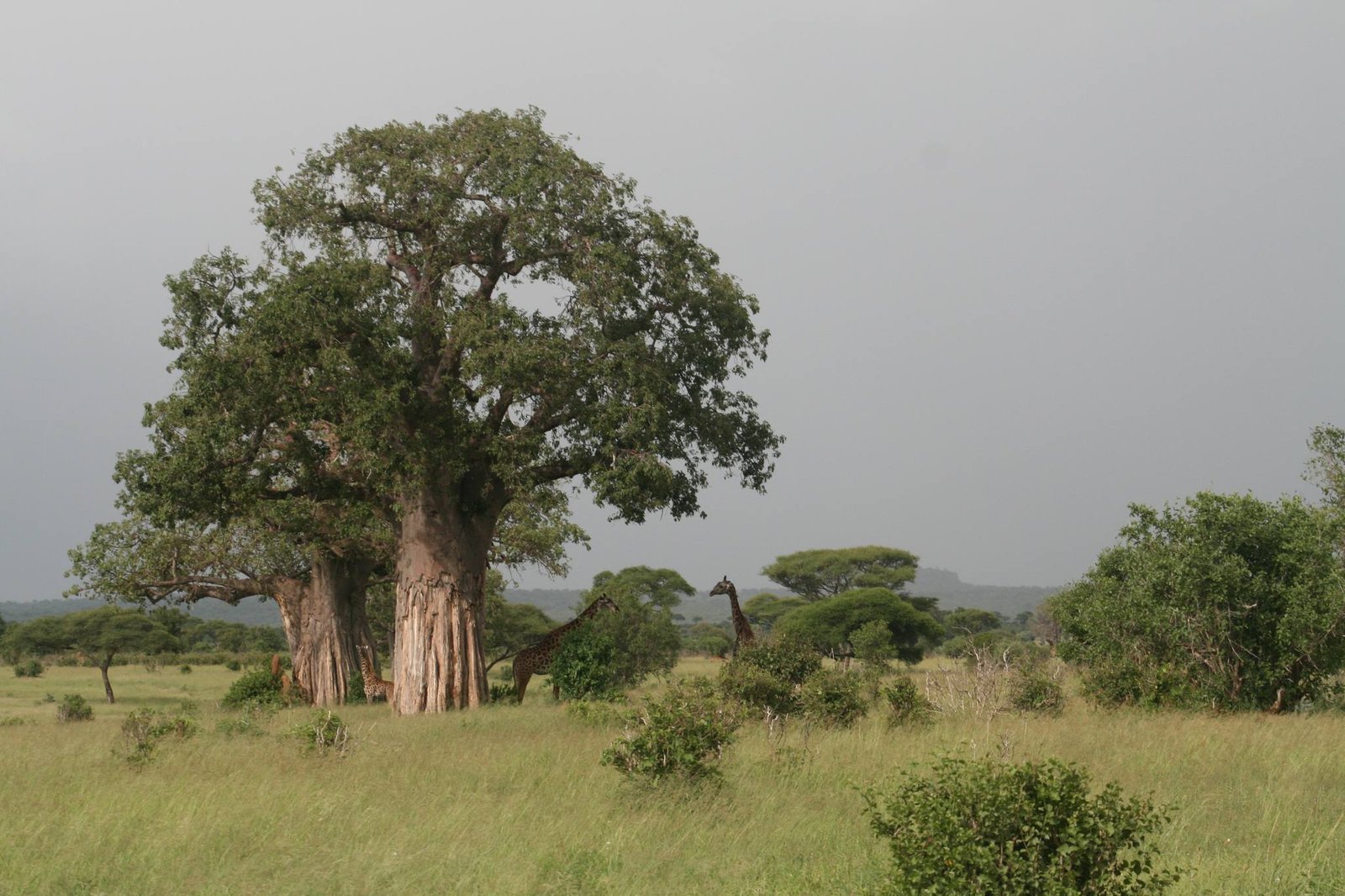
In much of Tanzania the green season, roughly the months after the short rains and again after the long rains, changes the land more than any other variable. Grass shoots up, dust settles, and the air clears after afternoon showers. Rivers and pans fill, drawing wildlife away from the crowded waterholes of the dry months and scattering it across the plains. That scattering is the heart of the trade-off: fewer animals lined up at a single river, but a greener, more textured landscape and a sense of privacy that the peak season rarely offers.
The season is often described as unpredictable, and that reputation is partly earned. Rain tends to arrive in short, heavy bursts rather than all-day drizzle, but timing and volume vary year to year. What is reliable is the transformation itself: the bush thickens, birds are more vocal and visible, and many species calve or nest. If you value atmosphere over sheer concentration of game, the green season rewards curiosity.
A closer look
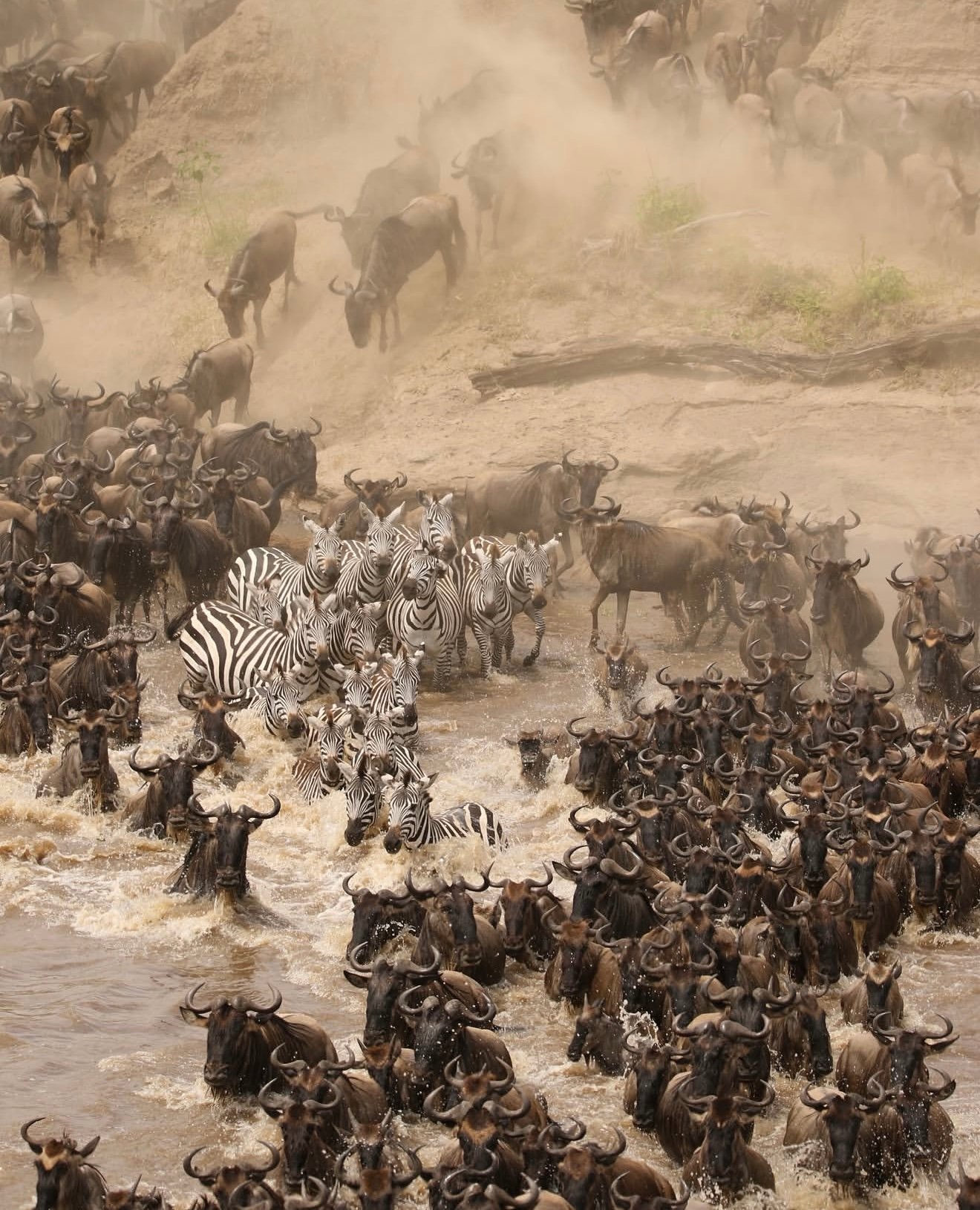
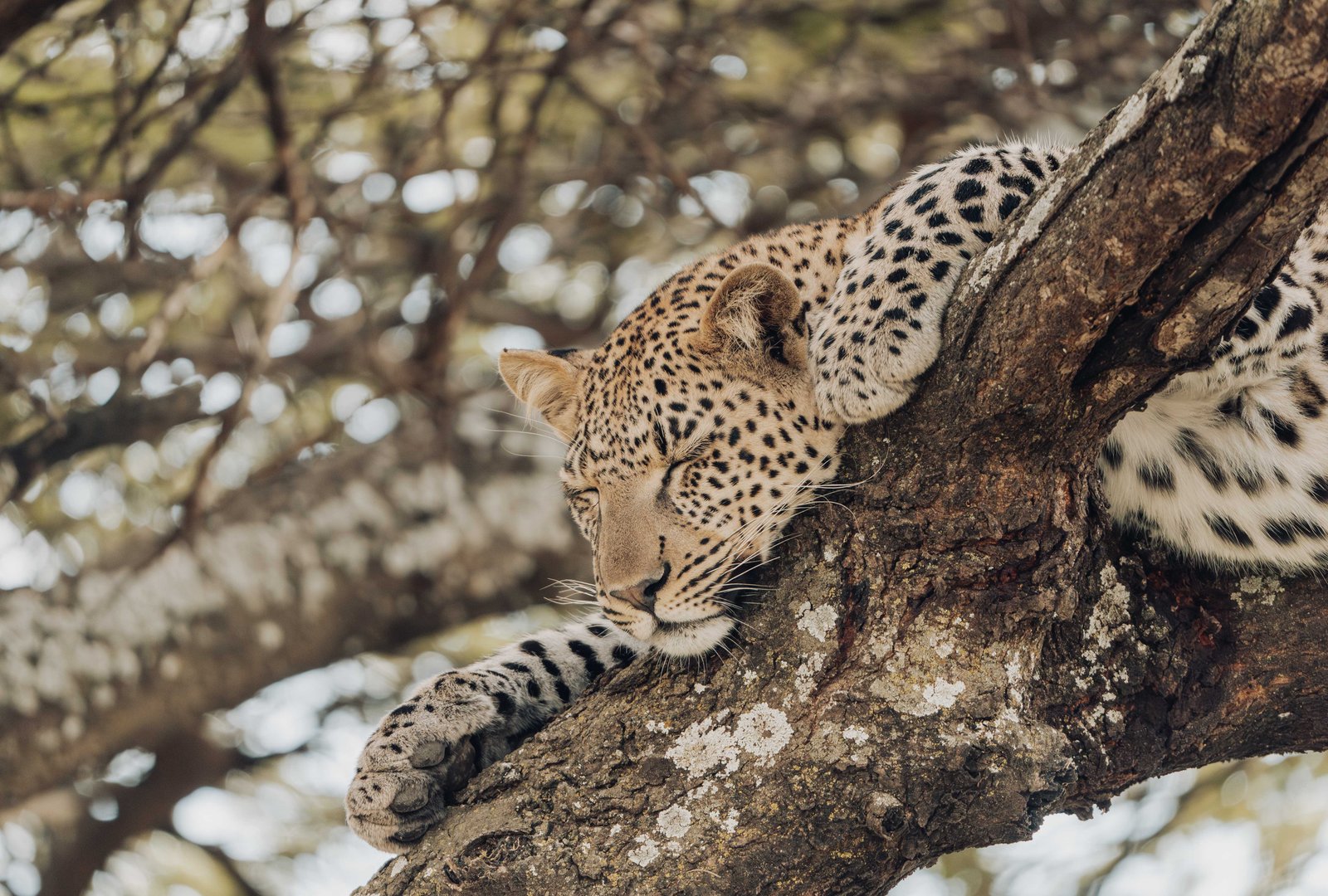
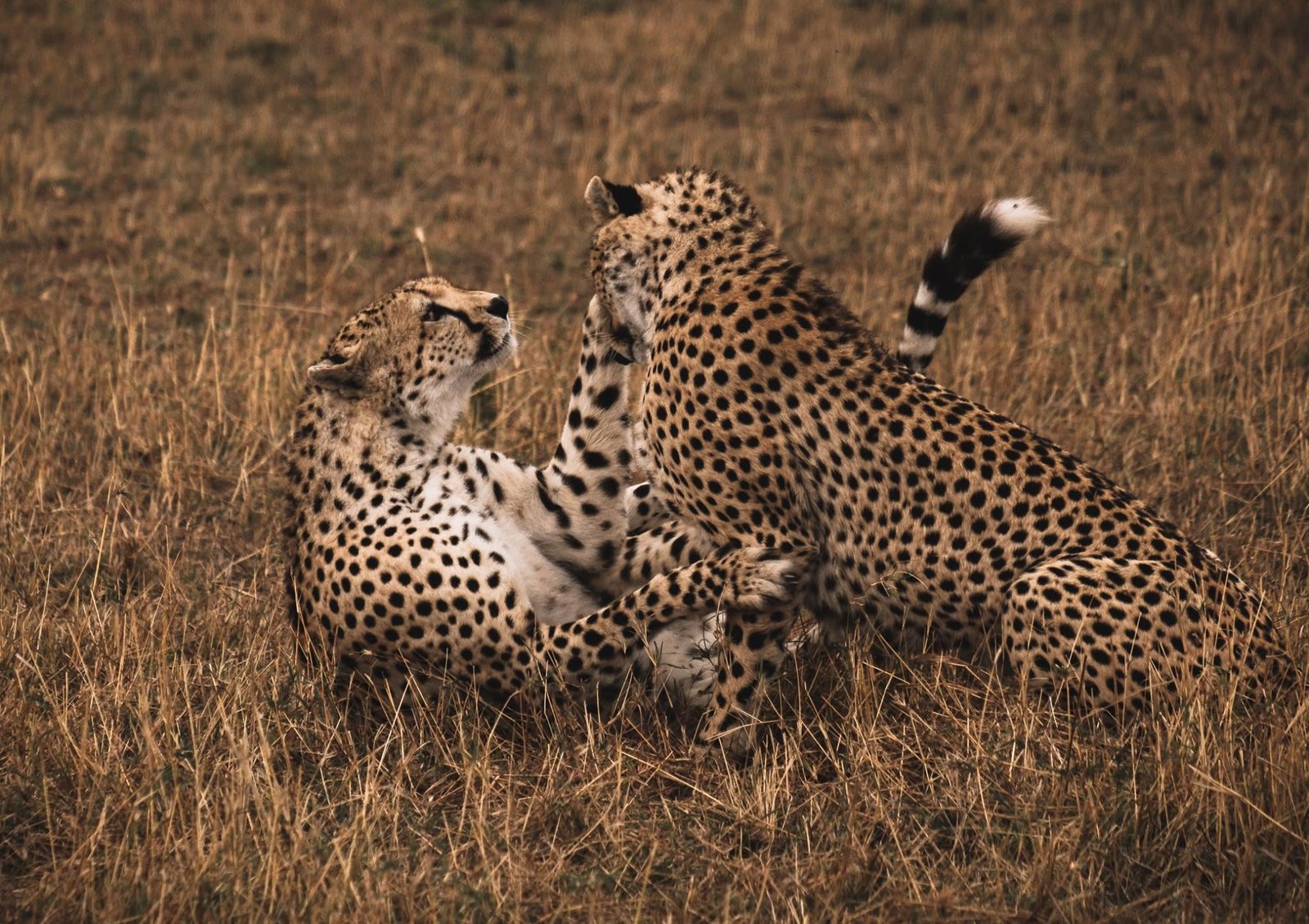
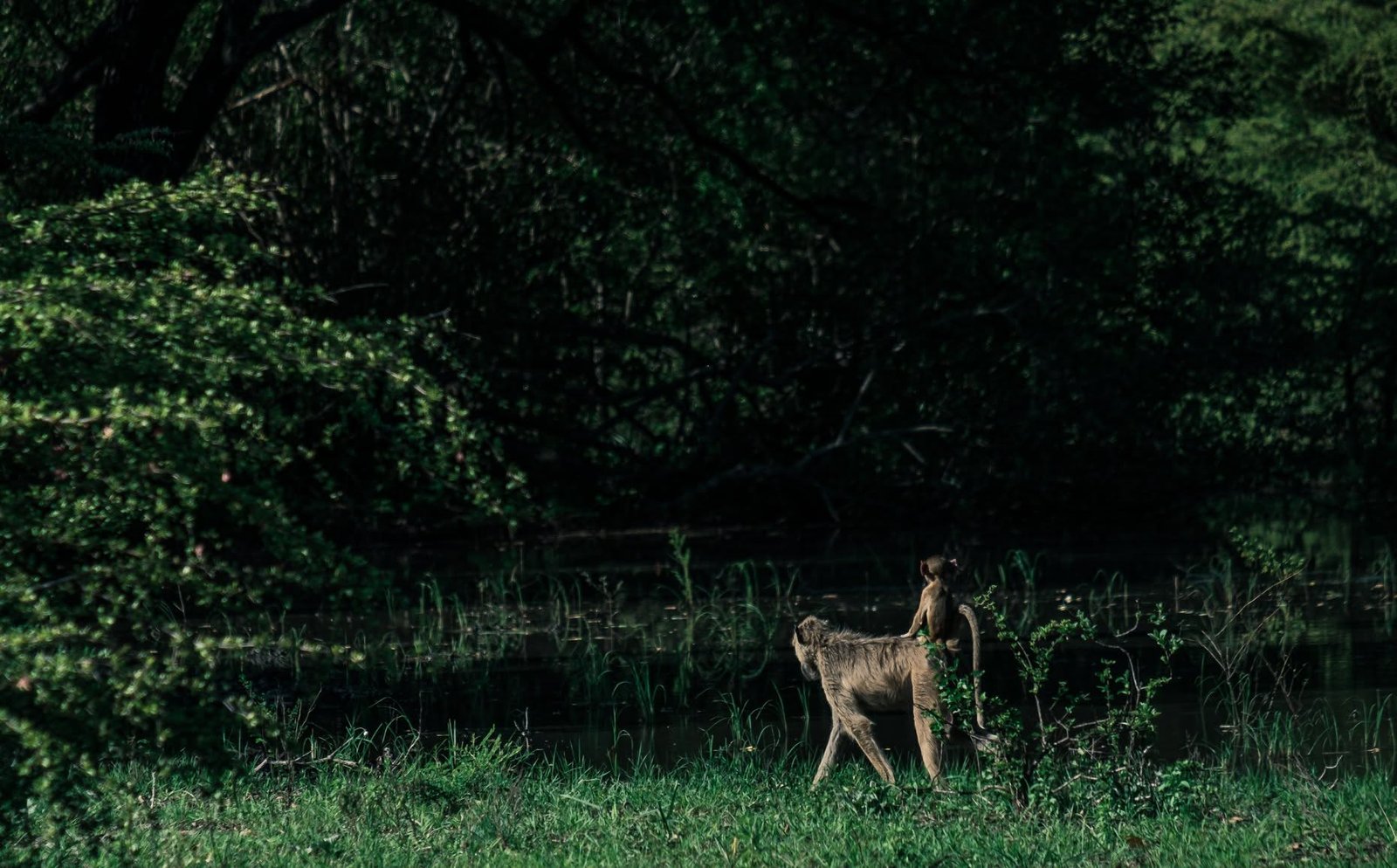
The rains also shift where animals gather. In the northern parks, herds disperse as water becomes available away from the usual rivers, which can make predator sightings feel more like patient tracking and less like queueing for a view. Conservation areas and less-visited reserves often become especially appealing, since the vegetation softens the landscape and the reduced visitor numbers make for quieter mornings.
Coastal and island areas follow a different rhythm, with heat and humidity peaking around the rains. For travellers combining safari with the Indian Ocean, that matters. The practical rule is to plan around the pattern rather than against it: build flexibility into the itinerary, keep a day spare for weather, and treat every outing as a chance to read the land rather than tick off a list.
Into the details
Clothing and equipment deserve more thought than in the dry season. Lightweight layers, a waterproof shell, dry bags for camera gear and footwear that copes with mud make a real difference. Roads can become slippery, and some tracks and airstrips may close or be reached only by alternative routes, so a degree of tolerance for changed plans is essential. Insect repellence and long sleeves at dusk are sensible precautions in humid areas.
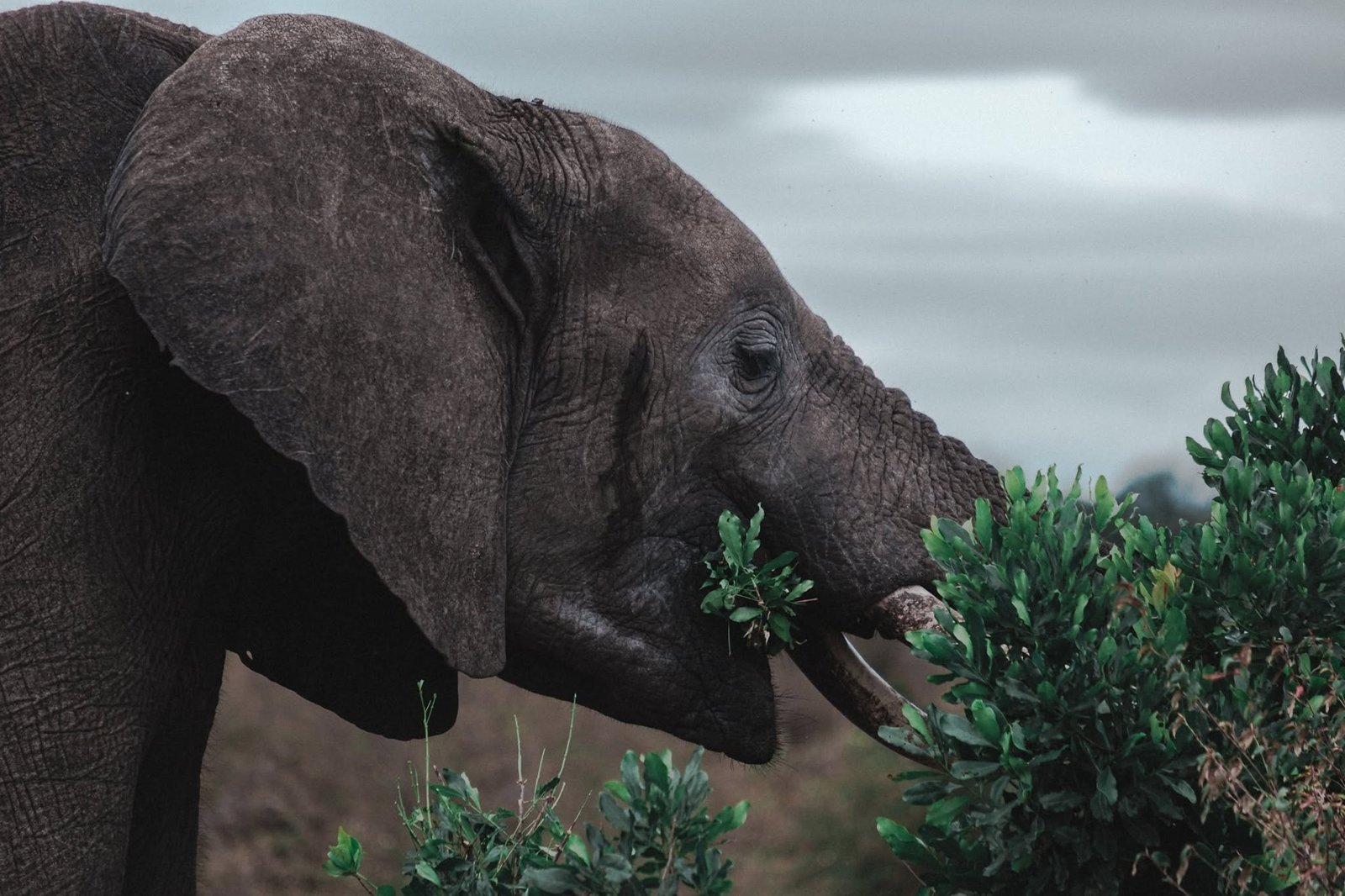
It is also worth being honest about what the green season is not. It is not a guarantee of lushness at every moment, nor a promise of particular wildlife encounters, and it is not universally the cheapest or quietest window everywhere. Photography can be superb, with saturated colour and dramatic cloud, but light is frequently overcast. For travellers who prefer comfort and certainty, the dry months remain the easier choice.
Take it with you
Read the landscape, not just the checklist
Green-season game viewing rewards patience. Expect animals spread across the plains rather than clustered at water, and enjoy the quieter, more textured bush that comes with it.
Pack for changeable weather
A waterproof shell, dry bags for cameras, quick-drying footwear and insect protection are more useful now than in the dusty months. Afternoon showers can arrive quickly and pass just as fast.
Build in flexibility
Some tracks and airstrips may be affected by rain, so allow room for altered plans and treat the itinerary as a guide rather than a fixed script.